
Discover why kitchen islands remain one of the most desirable features in modern homes and how they improve functionality, entertaining, and buyer appeal.
Introduction: One Feature That Continues to Attract Buyers
Home design trends come and go, but some features remain consistently desirable. Among them, the kitchen island has become one of the most requested elements in modern homes.
Whether buyers are searching for a newly built property or a renovated family home, many immediately notice whether the kitchen includes an island. In some cases, it even becomes a deciding factor between two otherwise similar properties.
Its popularity isn’t simply about appearance.
A well-designed kitchen island improves how people cook, gather, work, entertain, and move through the space. It combines functionality with lifestyle, making the kitchen feel more connected to everyday living.
Understanding why buyers value kitchen islands can help homeowners prioritize renovations and help real estate professionals better highlight one of a home’s strongest selling features.
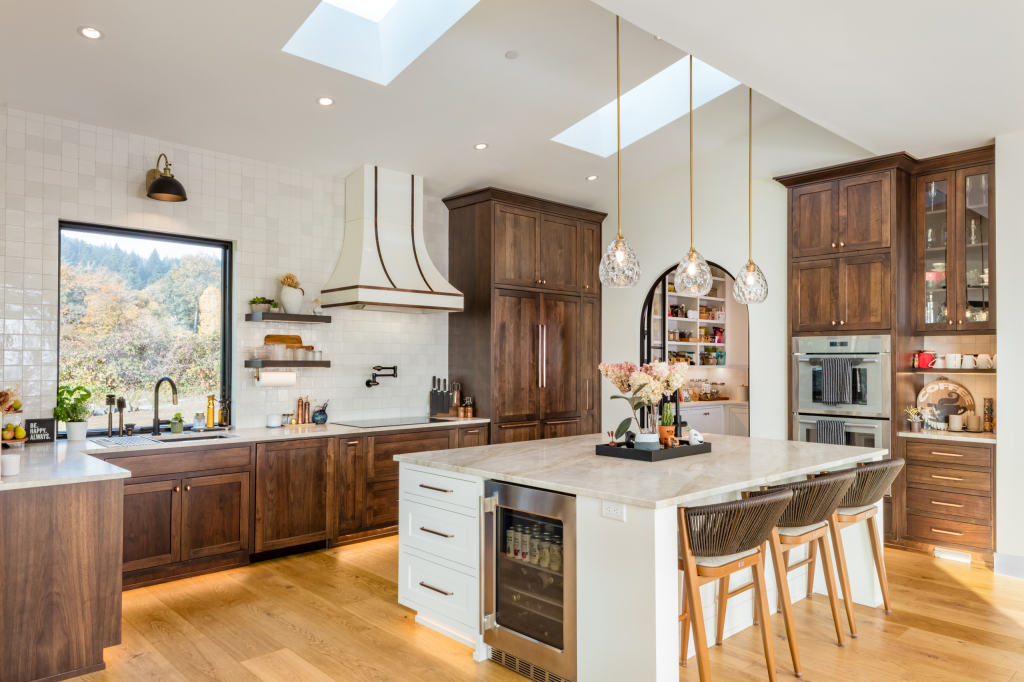
The Kitchen Has Become the Center of the Home
Years ago, kitchens were primarily designed for preparing meals.
Today, they serve many more purposes.
Families gather there before work or school. Friends naturally gravitate toward the kitchen during parties. Children often complete homework at the counter while parents prepare dinner. Remote workers may even use the kitchen as a temporary workspace during the day.
As the role of the kitchen has expanded, buyers have started looking for layouts that support these different activities.
A kitchen island naturally becomes the center of this multifunctional space.
Rather than separating people, it encourages conversation and interaction while everyday tasks continue.
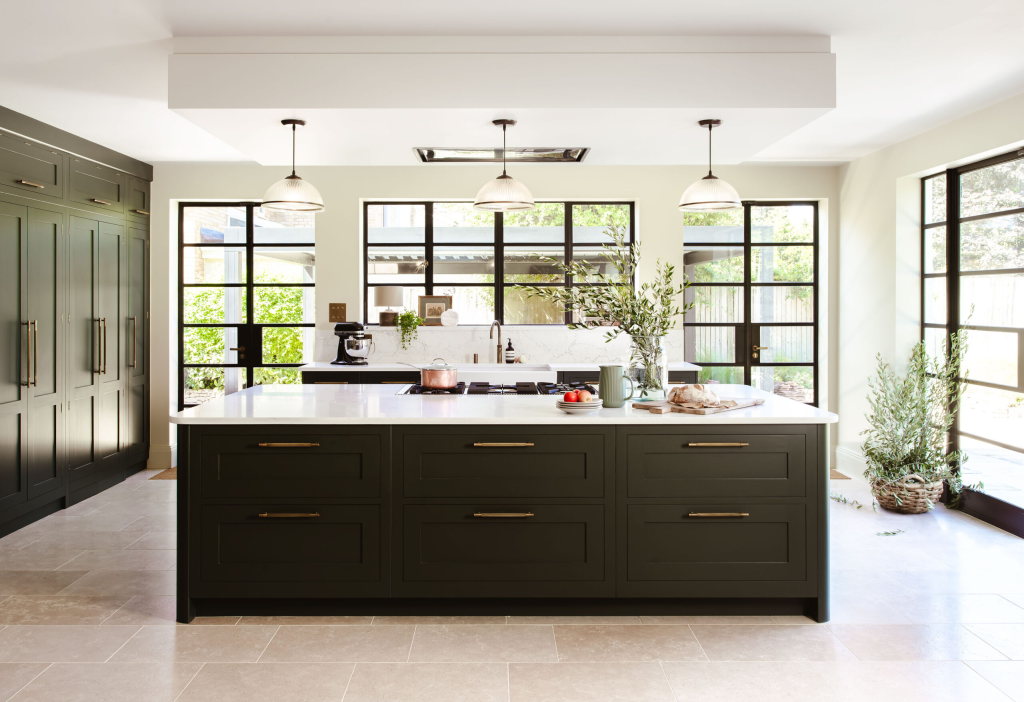
Kitchen Islands Make Open Floor Plans Work Better
Open-concept homes remain popular because they create a greater sense of space and allow natural light to flow throughout the home.
However, large open areas also need visual structure.
Without clear boundaries, a kitchen, dining area, and living room can feel like one oversized space.
A kitchen island helps organize the layout without adding walls.
It defines where the kitchen begins while maintaining an open connection with surrounding areas.
This balance between openness and structure is one reason buyers often perceive homes with islands as being more thoughtfully designed.
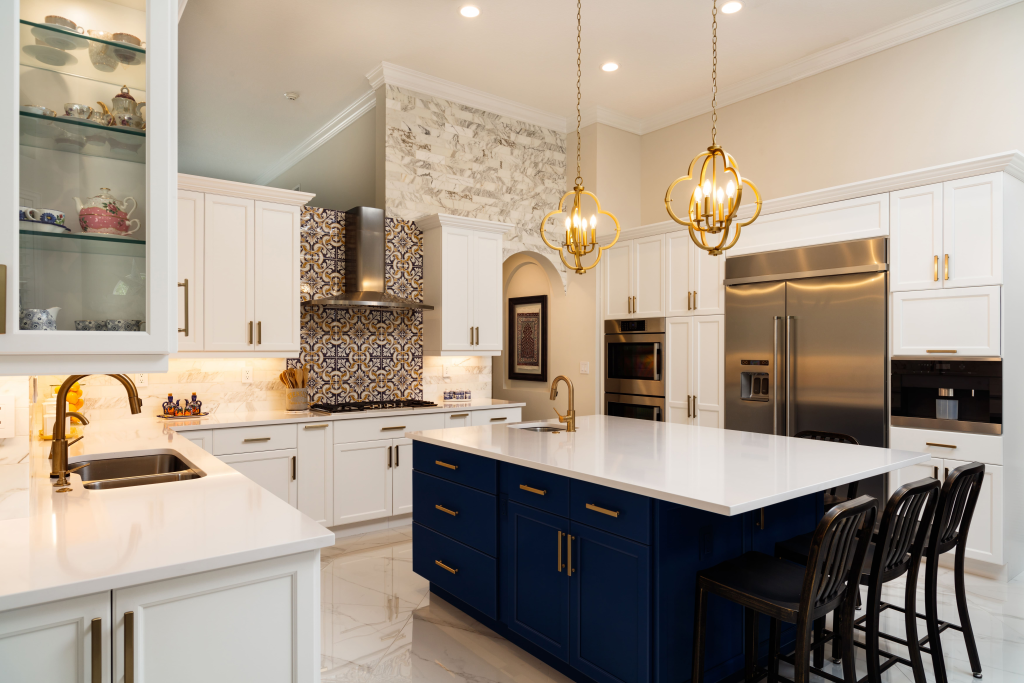
Extra Workspace Makes Everyday Life Easier
One of the most practical advantages of a kitchen island is the additional work surface it provides.
Preparing meals becomes easier when there is more room for chopping ingredients, arranging dishes, or serving food.
For larger households, multiple people can use the kitchen at the same time without constantly getting in each other’s way.
Even buyers who don’t cook extensively often appreciate having flexible counter space for everyday tasks, from unpacking groceries to wrapping gifts during the holidays.
Practical functionality is often just as valuable as visual appeal.
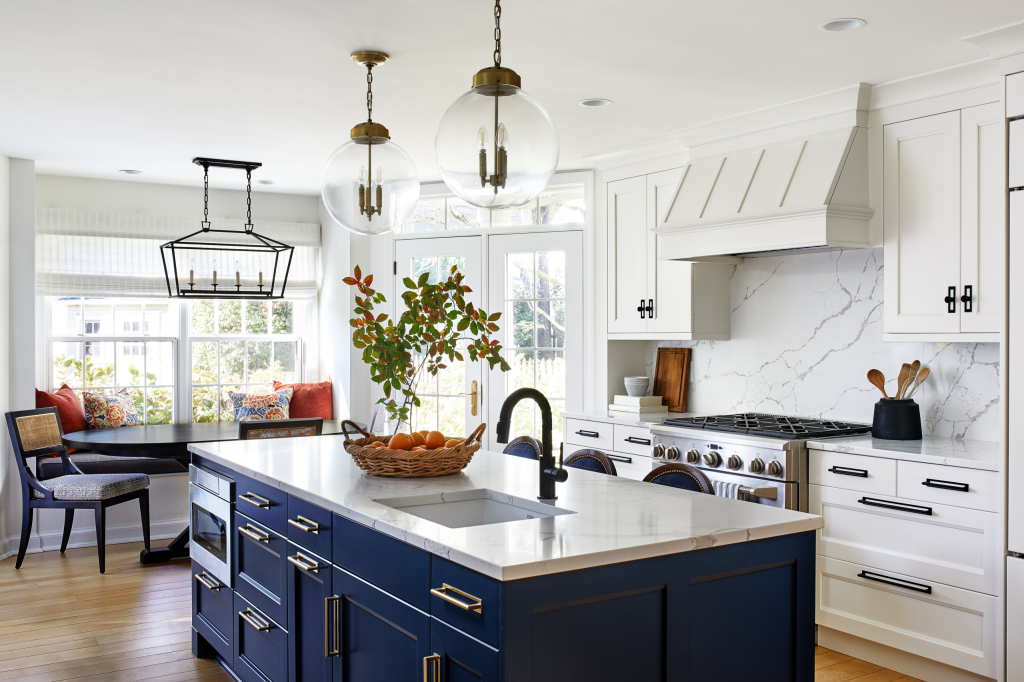
Storage Is Always a Selling Point
Storage consistently ranks among buyers’ top priorities.
Kitchen islands offer opportunities to add:
- Extra cabinets
- Deep drawers
- Shelving
- Wine storage
- Hidden recycling bins
- Small appliance storage
These additions help reduce countertop clutter and improve organization.
For buyers comparing multiple homes, practical storage solutions can make a property feel significantly more livable.
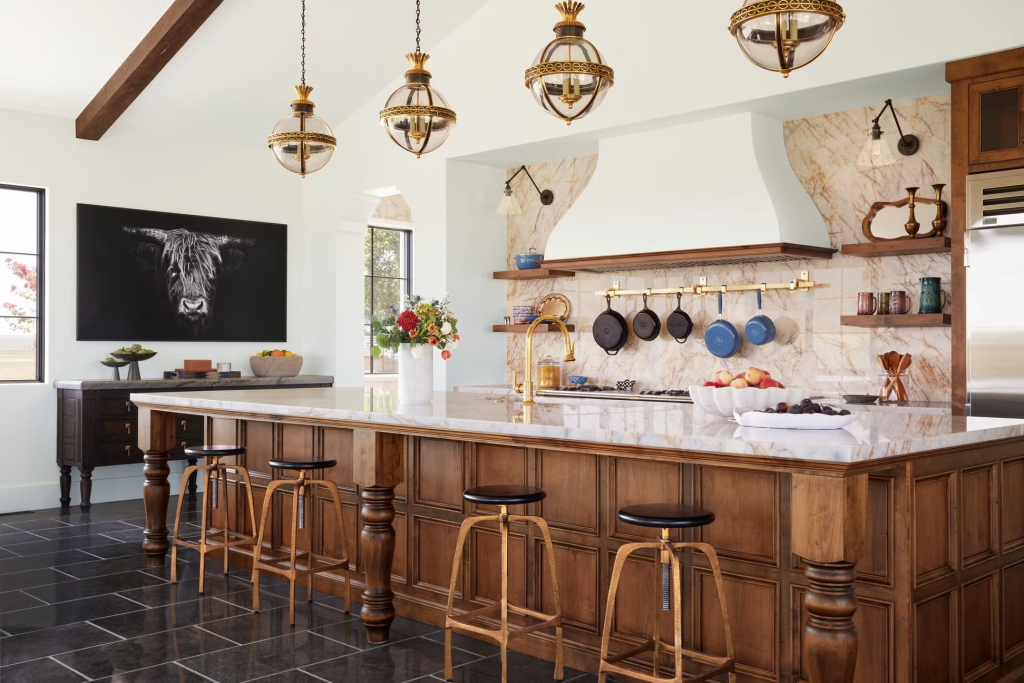
They Create a Natural Gathering Space
One reason kitchen islands remain so popular is that they encourage interaction.
Unlike traditional kitchen layouts where one person cooks while everyone else waits elsewhere, an island allows family members and guests to stay connected.
People can sit nearby, enjoy a drink, chat, or help prepare meals without disrupting the workflow.
This social function has become increasingly important as entertaining at home continues to grow in popularity.
Many buyers aren’t simply imagining where they’ll cook.
They’re imagining where conversations will happen.
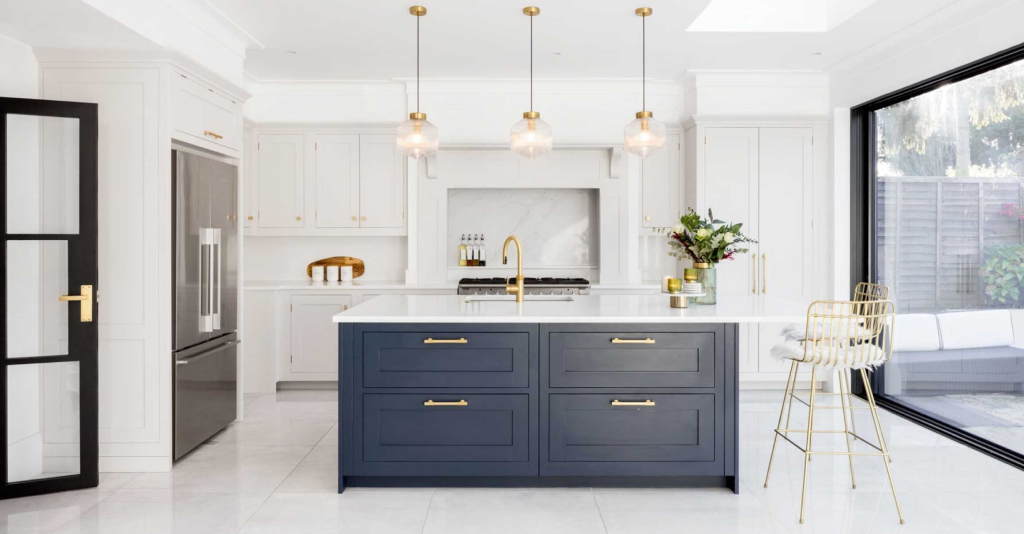
Kitchen Islands Increase Flexibility
One feature, multiple purposes.
Depending on the household, a kitchen island can become:
- A breakfast bar
- A casual dining space
- A homework station
- A home office
- A buffet during parties
- A baking area
- A coffee station
This versatility appeals to buyers because it allows the home to adapt as their needs change over time.
Flexible spaces have become increasingly valuable in modern home design.
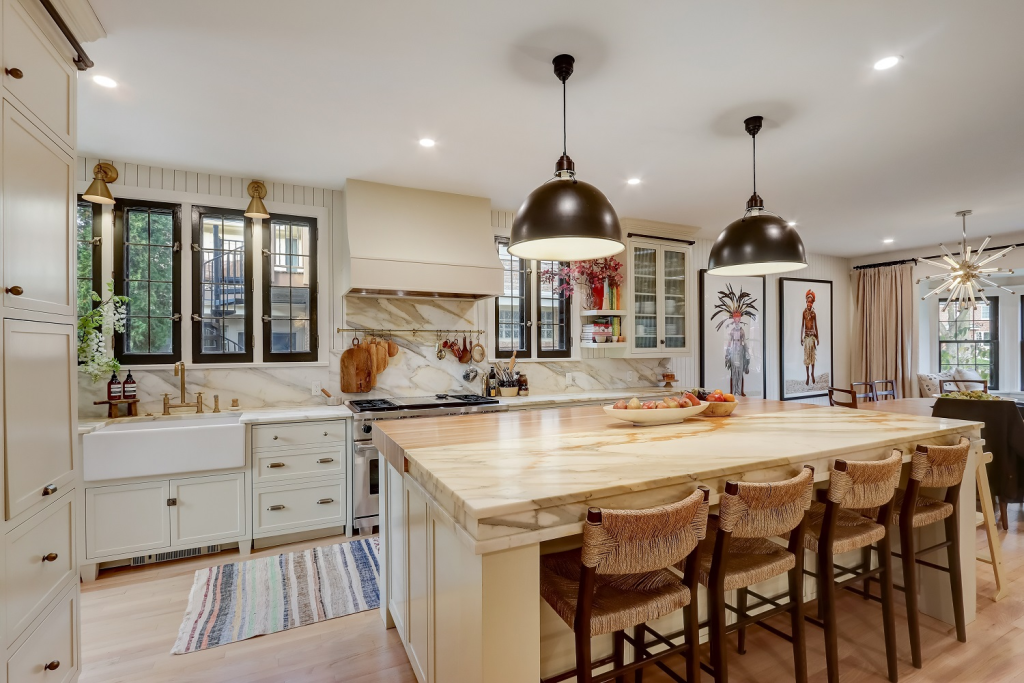
They Improve the Flow of the Kitchen
A well-designed kitchen should feel comfortable to move through.
When planned correctly, a kitchen island improves traffic flow by creating clear work zones between the sink, refrigerator, and cooking area.
It can also separate food preparation from dining or entertaining spaces, allowing several people to use the room comfortably at the same time.
Of course, size matters.
An oversized island placed in a small kitchen may restrict movement instead of improving it.
The best islands are proportionate to the room and leave enough clearance for cabinets, appliances, and walkways.
Good design is always about balance rather than simply adding more features.
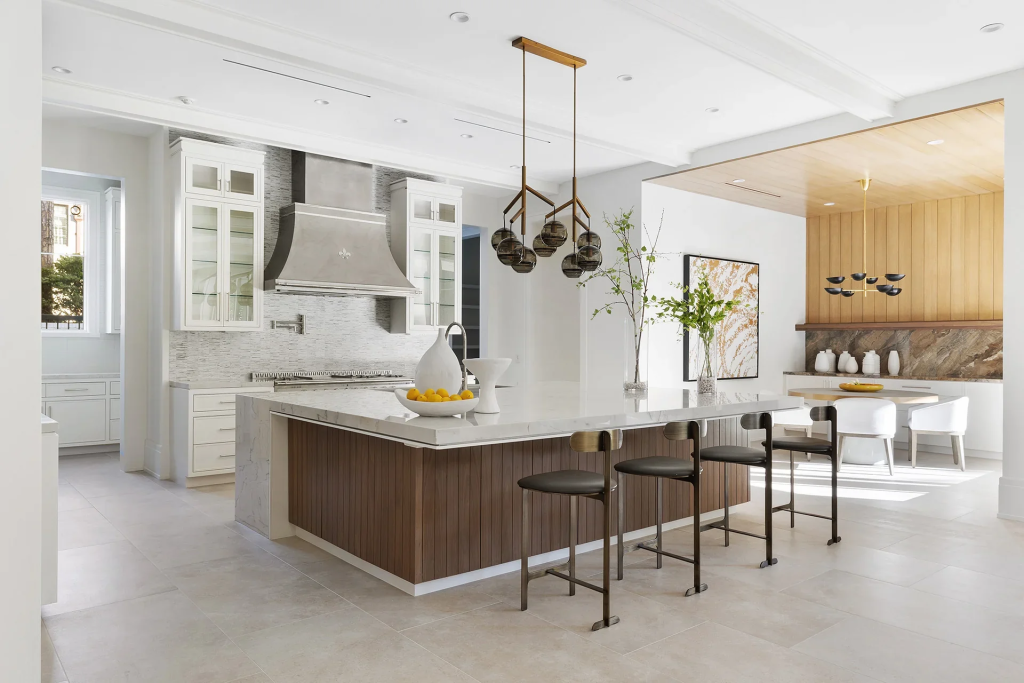
Buyers Often Associate Kitchen Islands With Modern Living
Beyond their practical benefits, kitchen islands also influence perception.
Many buyers associate them with newer construction, renovated interiors, and contemporary lifestyles.
Even in homes that are not brand new, a thoughtfully designed island can make the kitchen feel more updated and visually appealing.
This doesn’t necessarily increase a home’s value by itself, but it can improve buyer perception during both online browsing and in-person showings.
Sometimes, perceived value is just as important as measurable value.
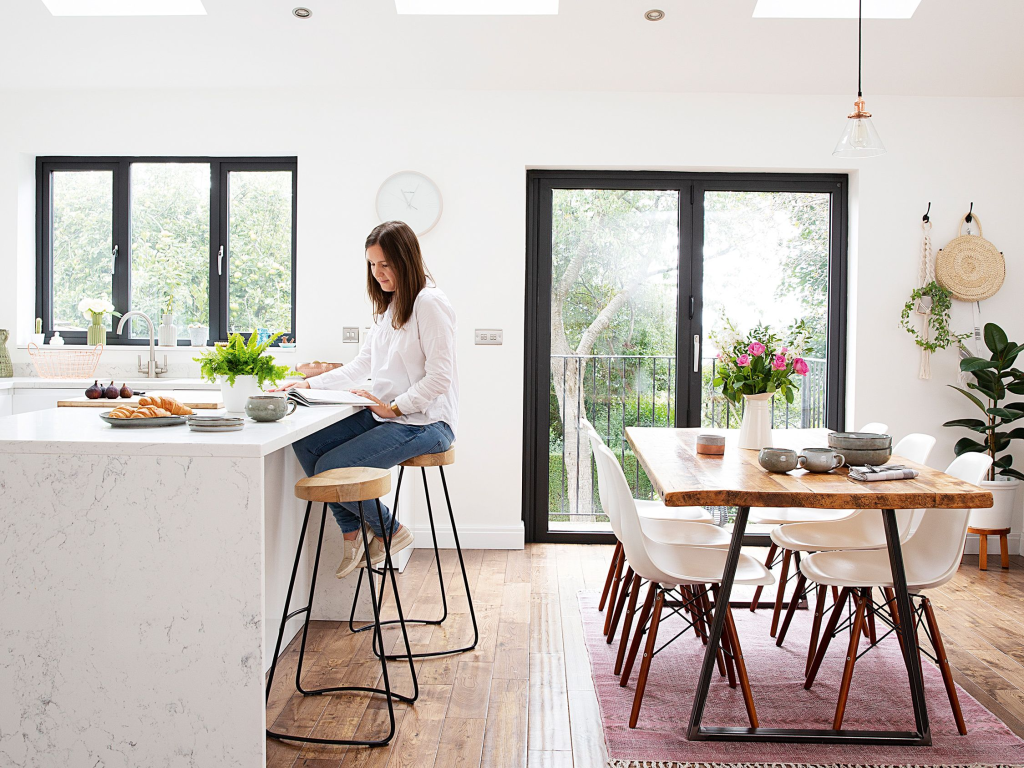
Presentation Helps Buyers Appreciate the Space
A beautiful kitchen island can easily become one of a listing’s strongest visual features but only if it is presented effectively.
Professional photography and video play an important role in showing:
- The island’s size
- Its relationship to surrounding spaces
- Seating capacity
- Natural lighting
- Overall kitchen flow
Wide but balanced camera angles help buyers understand how the island fits within the home’s layout rather than making it appear artificially larger.
Clear visual presentation allows buyers to appreciate not only the island itself but also how it supports everyday living.
Conclusion
Kitchen islands have earned their popularity because they combine style with functionality.
They provide additional workspace, improve storage, support social interaction, and help organize modern open-concept homes.
More importantly, they reflect how people actually live today.
For buyers, a kitchen island isn’t simply another design feature.
It represents flexibility, convenience, and a space where cooking, dining, working, and spending time together naturally come together.
As buyer expectations continue to evolve, thoughtfully designed kitchens and especially well-planned kitchen islands, are likely to remain one of the most attractive features in residential real estate.
Work with Lumatrix Media to Showcase Every Detail That Buyers Notice
Features like a spacious kitchen island often become focal points during a home tour but buyers usually experience them for the first time online.
At Lumatrix Media, we create professionally edited real estate videos that highlight the details buyers care about most, from functional layouts and natural lighting to architectural features that make a property stand out.
Whether you’re marketing a modern family home or a luxury residence, our editing approach is designed to present each space clearly, naturally, and professionally.
Explore our portfolio and contact Lumatrix Media to discuss your next real estate video project.

- Facebook: Lumatrix Media
- Instagram: lumatrix.media
- Website: lumatrixmedia.com
- Email: lumatrix.media@gmail.com
Our blog
Lastest blog posts
Tool and strategies modern teams need to help their companies grow.
Realtors Should Have a Repeatable Listing Marketing Process
Learn why realtors need a repeatable listing marketing process to save time, maintain quality, reduce [...]
Reducing the Price Does Not Always Solve a Listing Problem
Learn why reducing the price of a home does not always lead to more offers [...]
Why Realtors Need Different Marketing Strategies for Different Price Ranges
Learn why real estate marketing strategies should change across different price ranges, from buyer expectations [...]
Why You Should Shoot More Real Estate Footage When Filming a Property
Learn why filming more real estate footage during a property shoot gives editors more options, [...]
Why Filming for Social Media Is Different From Filming a Property Tour
Learn how filming for social media differs from a traditional property tour, including framing, pacing, [...]
Why Music Choice Can Change How Buyers Perceive a Property
Discover how music choice can influence the way buyers perceive a property, from mood and [...]
Why Small Rooms Need Different Camera Techniques
Learn why small rooms require different camera techniques in real estate photography and video, from [...]
Why Some Real Estate Footage Looks Good but Edits Badly
Learn why some real estate footage looks great on its own but becomes difficult to [...]