
Discover why younger buyers are choosing lifestyle, location, and flexibility over large square footage in today’s housing market.
Introduction: Bigger Homes No Longer Guarantee Stronger Appeal
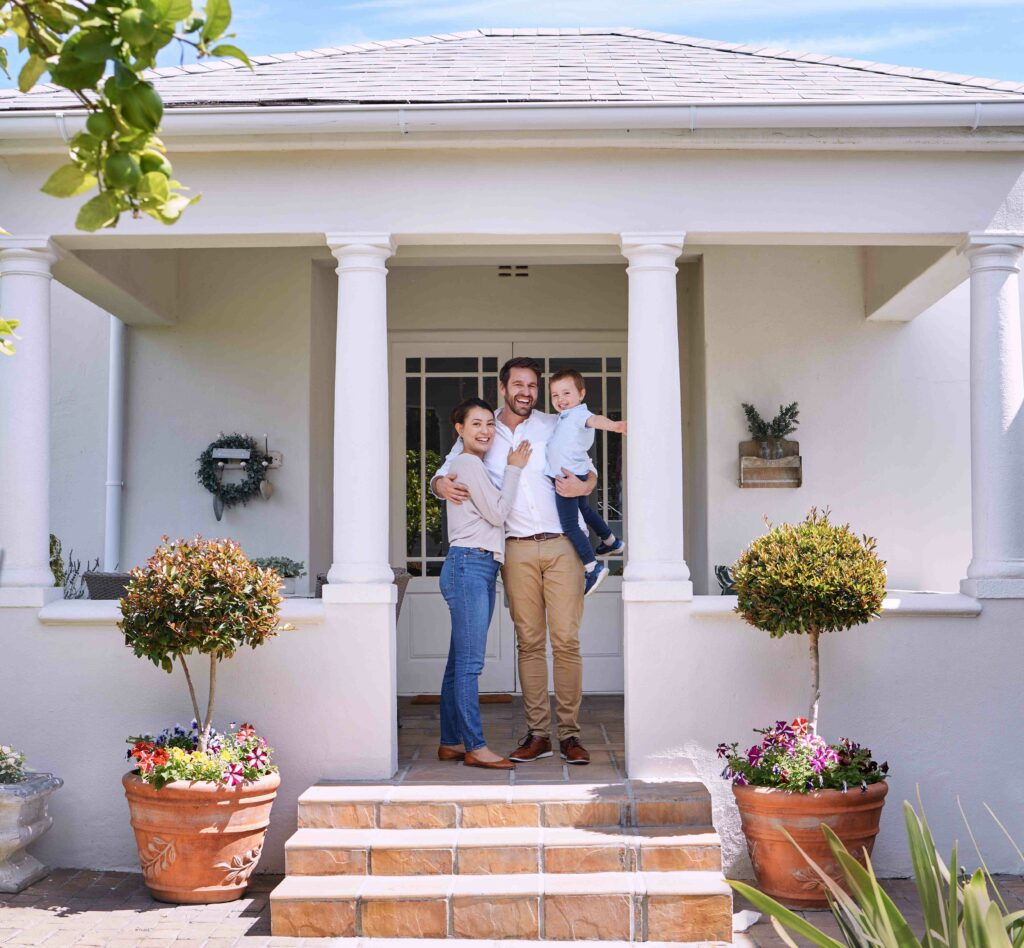
For decades, larger homes were considered the ultimate symbol of success. More square footage meant more value, more comfort, and more status.
Today, that mindset is shifting.
Younger buyers are approaching homeownership differently. Instead of prioritizing sheer size, many now focus on how a home supports their lifestyle, daily habits, and emotional well-being.
This change is influencing:
- Home design trends
- Buyer expectations
- Real estate marketing strategies
Understanding this shift helps explain why some smaller homes generate stronger interest than larger properties.

1. Modern Buyers Prioritize Experience Over Ownership
Younger generations often value flexibility and experience more than excess space.
A large home may seem impressive, but many buyers now ask:
- Does this space improve daily life?
- Does it feel comfortable and functional?
- Does it support the lifestyle I want?
As a result, buyers are becoming more selective about how space is used rather than how much exists.
A smaller home with intentional design can feel more appealing than a large home with unused rooms.
2. Location Often Matters More Than Size
Many younger buyers are willing to sacrifice square footage for:
- Better neighborhoods
- Walkability
- Access to cafés, parks, and social spaces
- Shorter commutes
Lifestyle convenience has become a major factor in perceived value.
A smaller apartment in a vibrant area may feel more attractive than a large house far from daily activities.
This reflects a broader shift toward quality of life over traditional ideas of status.

3. Remote Work Changed the Meaning of “Home”
The rise of remote and hybrid work has changed how people interact with their homes.
Homes are no longer only places to rest. They are now:
- Workspaces
- Creative spaces
- Social environments
- Places for recovery and focus
Because of this, buyers care more about:
- Natural light
- Atmosphere
- Functional layouts
- Emotional comfort
A calm and adaptable environment often matters more than additional square footage.

4. Simplicity Feels More Appealing to Younger Buyers
Many younger buyers are moving away from excess.
Large homes can create:
- Higher maintenance costs
- More cleaning responsibilities
- A feeling of unnecessary complexity
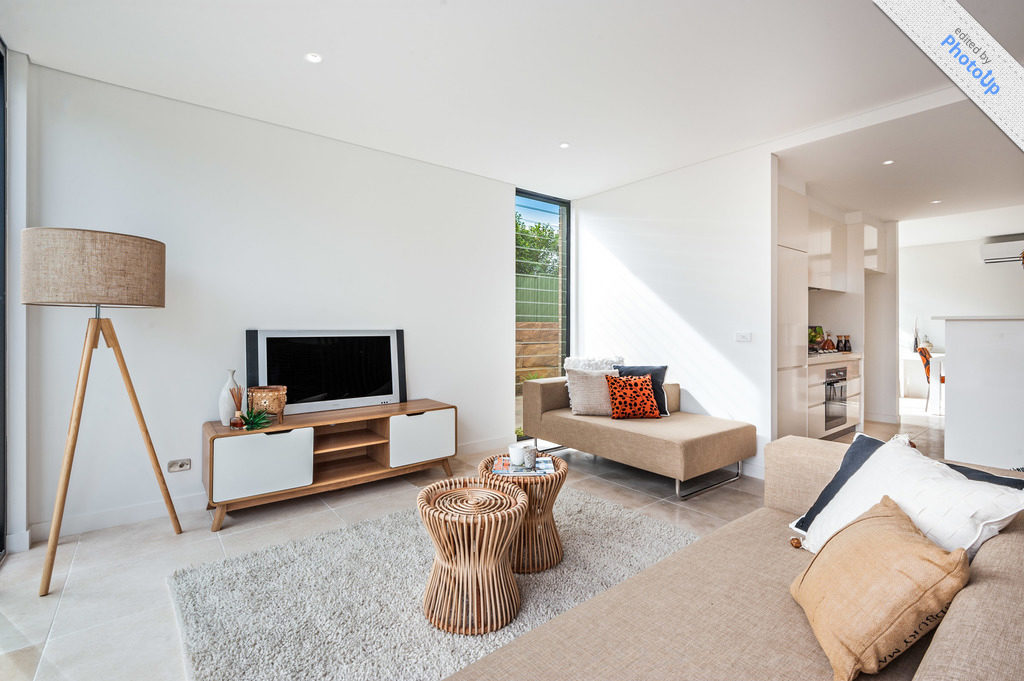
Smaller, well-designed spaces often feel:
- Easier to manage
- More peaceful
- More intentional
This explains why minimalist and modern interiors continue to gain popularity.
5. Lifestyle Is Closely Connected to Identity
Homes are increasingly seen as reflections of personal identity.
Younger buyers often choose spaces that align with:
- Their routines
- Their values
- Their aesthetic preferences
This is why features such as:
- Open kitchens
- Natural lighting
- Outdoor spaces
- Flexible rooms
…can have stronger emotional impact than overall size alone.
The feeling a home creates has become part of its value.
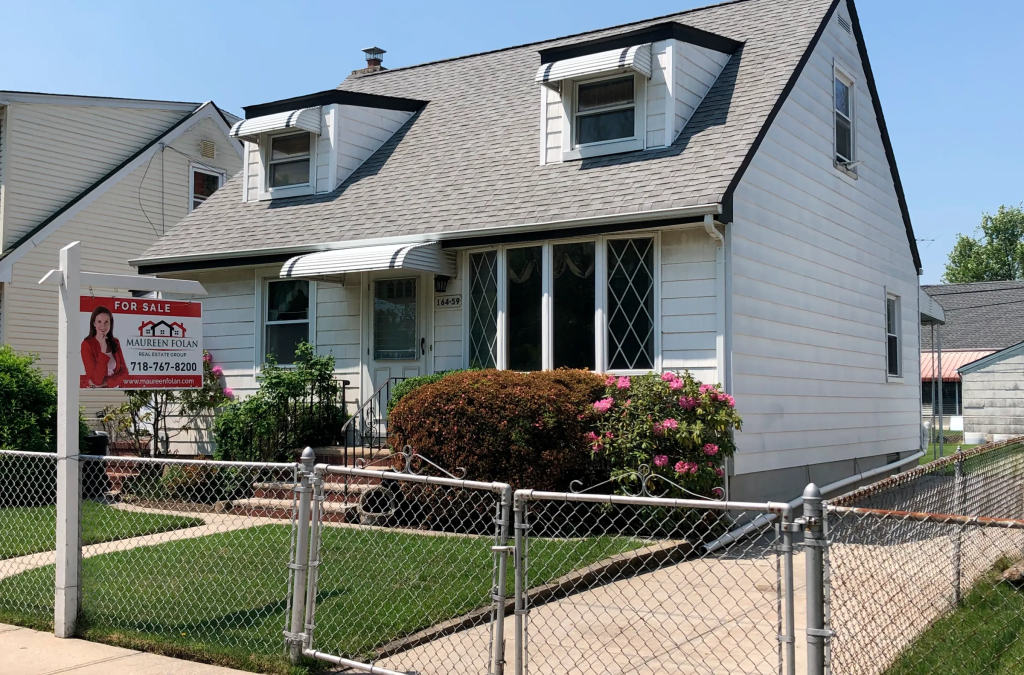
6. Emotional Comfort Influences Buying Decisions
Home buying is deeply emotional.
Buyers are naturally drawn toward spaces that feel:
- Warm
- Calm
- Comfortable
- Livable
Large spaces do not automatically create these feelings.
In many cases, smaller homes with thoughtful design create stronger emotional connection because they feel more personal and human.
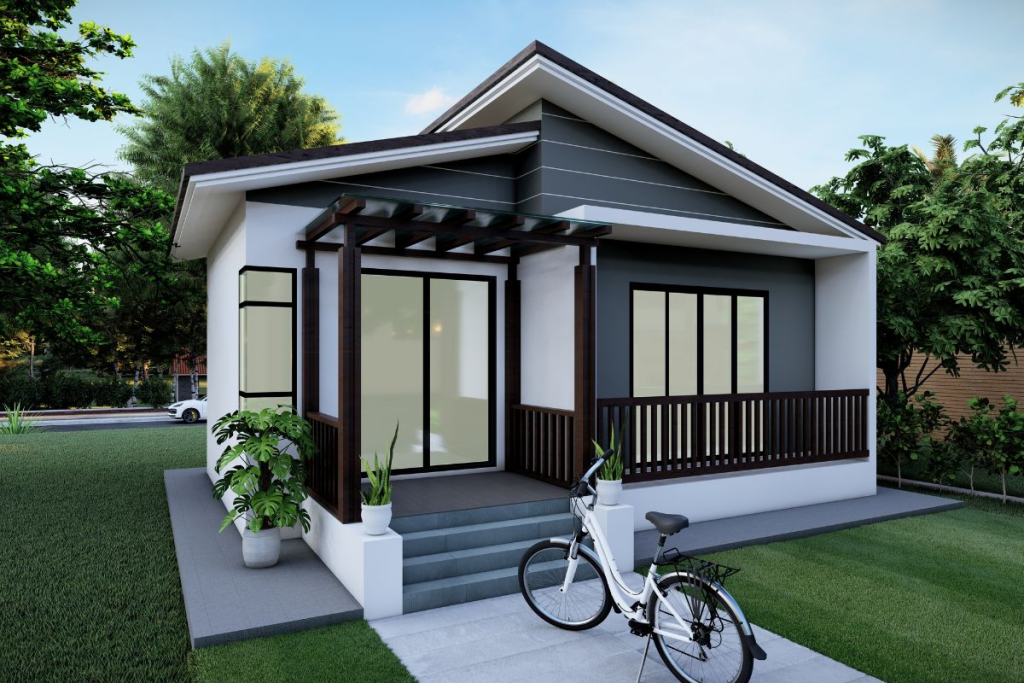
7. Social Media Influenced Modern Housing Preferences
Platforms like Instagram and Pinterest have changed how people think about homes.
Younger buyers are constantly exposed to:
- Curated interiors
- Cozy living spaces
- Lifestyle-focused design trends
This exposure shapes expectations.
As a result, buyers increasingly prioritize:
- Atmosphere
- Design consistency
- Visual simplicity
These elements often matter more than raw square footage.
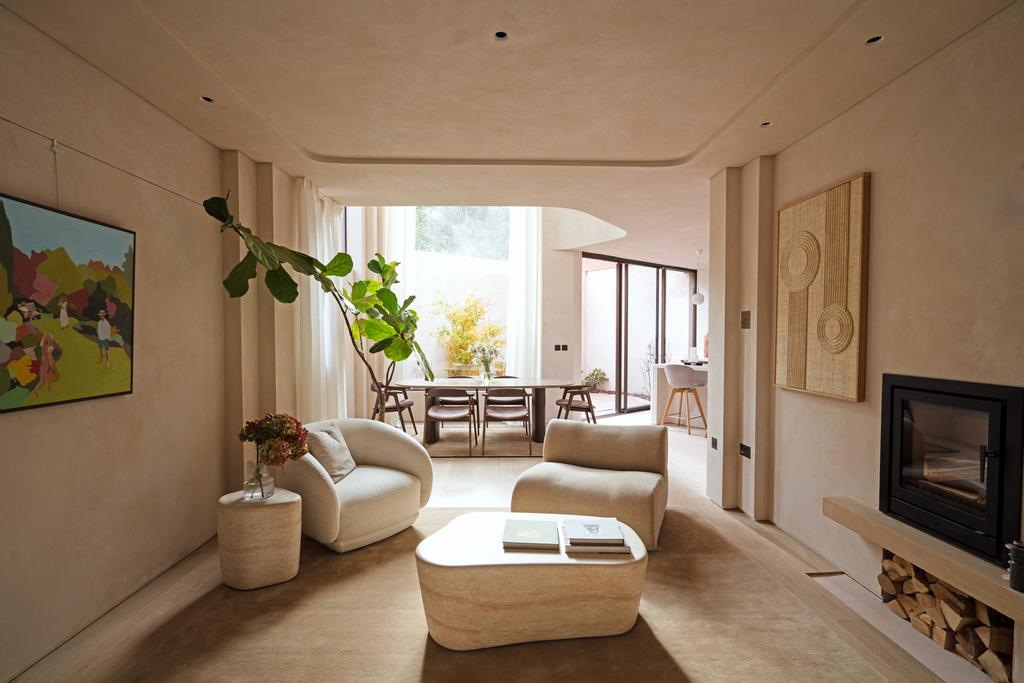
8. The Definition of “Luxury” Is Changing
Luxury no longer means “bigger at all costs.”
Modern luxury is increasingly associated with:
- Comfort
- Quietness
- Natural materials
- Good lighting
- Functional simplicity
This shift explains why many high-end properties now focus more on experience and atmosphere rather than size alone.
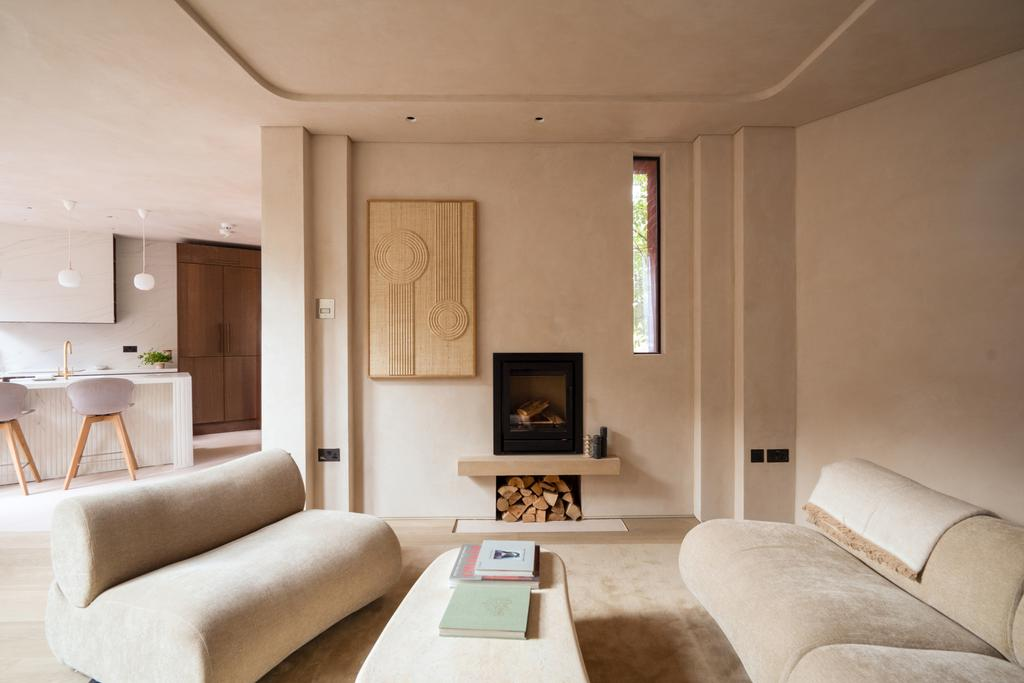
Professional Insight: Space Alone No Longer Sells
The modern housing market is becoming more experience-driven.
Buyers are paying closer attention to:
- How a home feels
- How it supports daily life
- Whether it aligns with their lifestyle
This creates a major shift in how properties are presented and perceived.
Homes that communicate comfort, balance, and intentional living often leave stronger impressions than homes that simply appear large.
Conclusion: Lifestyle Has Become Part of Property Value
Younger buyers are redefining what makes a home desirable.
Square footage still matters, but it is no longer the primary factor for many buyers.
Lifestyle, atmosphere, flexibility, and emotional comfort now play a larger role in decision-making.
This shift reflects broader cultural changes in how people live, work, and define quality of life.
Work with Lumatrix Media to Create More Lifestyle-Driven Property Content
At Lumatrix Media, we understand that modern buyers connect more strongly with atmosphere and lifestyle than with specifications alone.
Our editing approach focuses on creating clean, visually balanced property content that highlights how a space feels, not just how it looks.
From pacing and lighting to overall presentation flow, we help real estate content feel more natural, refined, and emotionally engaging.
If you want your listings to better reflect modern buyer preferences, you can explore our portfolio and contact Lumatrix Media to discuss your next project.

- Facebook: Lumatrix Media
- Instagram: lumatrix.media
- Website: lumatrixmedia.com
- Email: lumatrix.media@gmail.com
Our blog
Lastest blog posts
Tool and strategies modern teams need to help their companies grow.
Realtors Should Have a Repeatable Listing Marketing Process
Learn why realtors need a repeatable listing marketing process to save time, maintain quality, reduce [...]
Reducing the Price Does Not Always Solve a Listing Problem
Learn why reducing the price of a home does not always lead to more offers [...]
Why Realtors Need Different Marketing Strategies for Different Price Ranges
Learn why real estate marketing strategies should change across different price ranges, from buyer expectations [...]
Why You Should Shoot More Real Estate Footage When Filming a Property
Learn why filming more real estate footage during a property shoot gives editors more options, [...]
Why Filming for Social Media Is Different From Filming a Property Tour
Learn how filming for social media differs from a traditional property tour, including framing, pacing, [...]
Why Music Choice Can Change How Buyers Perceive a Property
Discover how music choice can influence the way buyers perceive a property, from mood and [...]
Why Small Rooms Need Different Camera Techniques
Learn why small rooms require different camera techniques in real estate photography and video, from [...]
Why Some Real Estate Footage Looks Good but Edits Badly
Learn why some real estate footage looks great on its own but becomes difficult to [...]