
Learn how to film small spaces and make them appear larger in real estate videos. Practical tips for agents and videographers on lighting, angles, staging, and real estate video editing.
1. Why Filming Small Spaces Matters in Real Estate Videos
Small rooms can easily look narrow or heavy on video if captured without proper planning. Harsh shadows, poor angles, or cluttered staging can make the space feel even tighter.
Your job isn’t to misrepresent the property but to help viewers see the best and clearest version of the space. When filmed correctly, a small room can feel cozy, neat, efficient, and surprisingly attractive.
Good real estate videography allows buyers to understand the layout while still feeling inspired by the atmosphere.
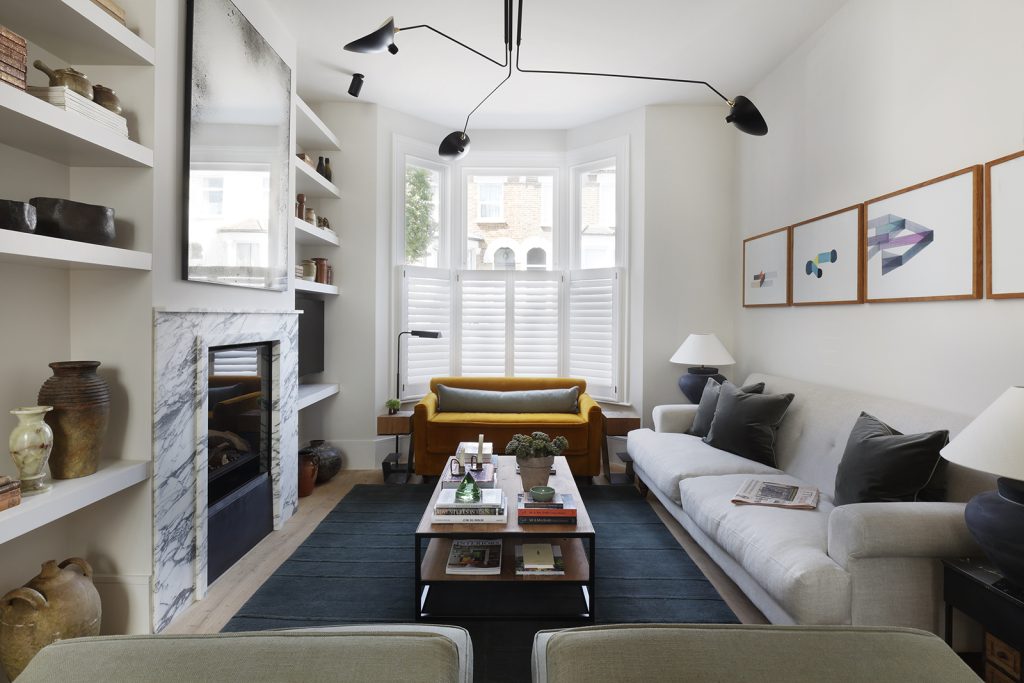
2. Choose the Right Lens for Small Spaces
Lens choice plays a major role in how spacious a room appears.
Wide-angle lenses are essential, but using them aggressively can distort lines and make the space feel unrealistic.
Recommendations for real estate video:
- A focal length between 16mm-24mm usually works best.
- Avoid ultra-wide lenses under 12mm unless necessary, they bend lines and exaggerate space unnaturally.
- Keep the camera level to maintain straight, clean verticals.
The right lens doesn’t trick the viewer; it simply gives them the fullest, clearest view of the room.
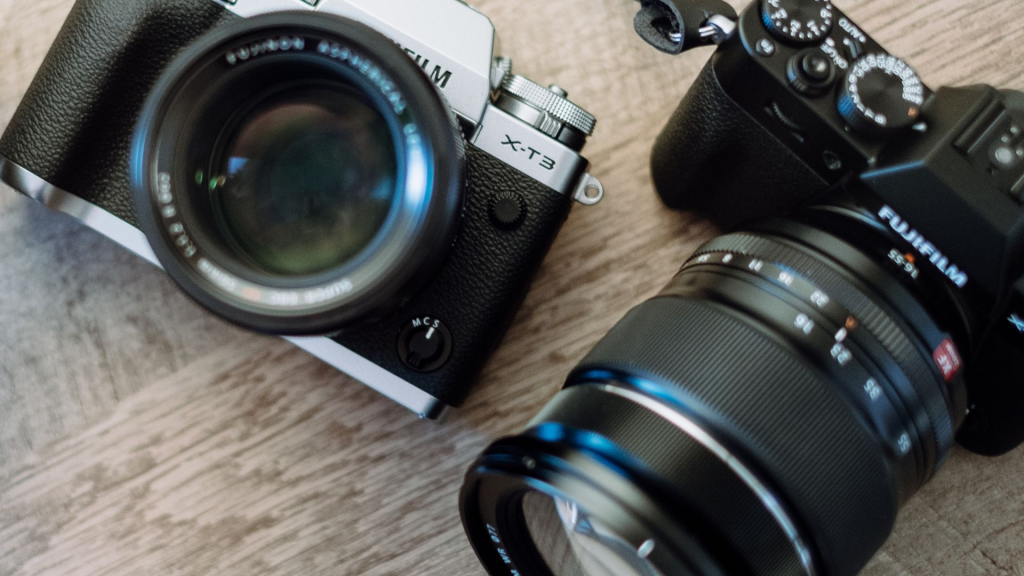
3. Lighting: The Most Important Factor
Light affects how big or small a space feels.
In small rooms, this becomes even more crucial because shadows and dark corners immediately shrink the visual space.
Tips to improve lighting:
- Use as much natural light as possible.
- Open every curtain and window.
- Avoid placing lights too close to walls, which creates harsh falloff.
- Use diffused light sources to soften the scene.
Good lighting adds depth, dimension, and airiness making the room feel open instead of boxed in.
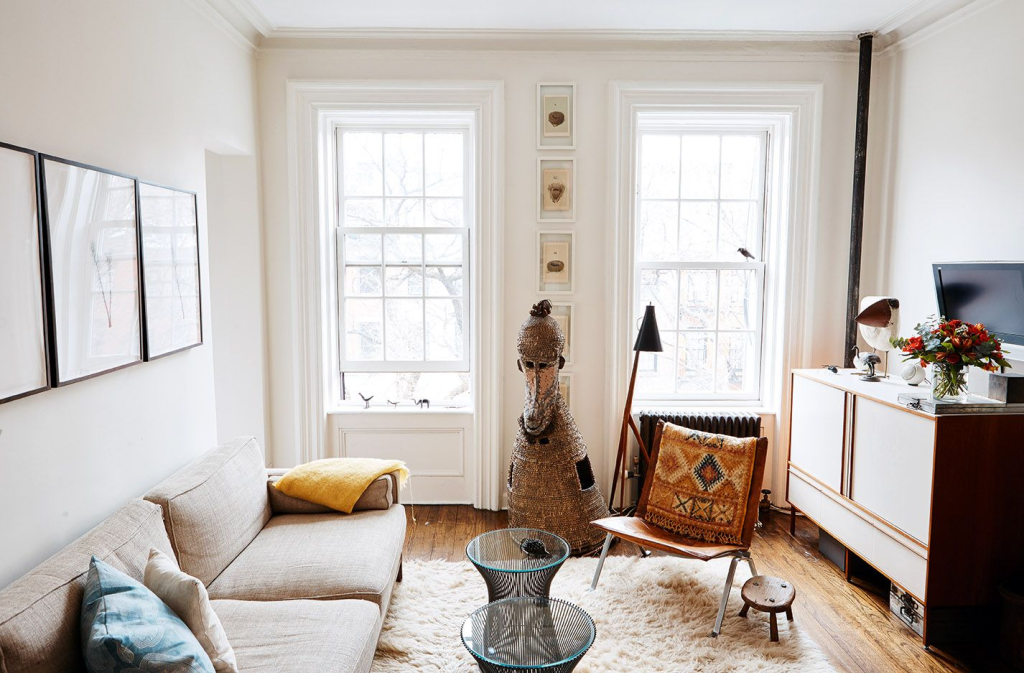
4. Keep the Interior Simple and Clean
Small spaces highlight clutter easily. Every object becomes part of the frame because you can’t avoid it.
To film small rooms effectively:
- Remove unnecessary items.
- Pick simple, light-colored furniture.
- Use clean surfaces and minimal decor.
- Avoid heavy artwork or bold wall patterns.
Minimalist staging is one of the most powerful tools in real estate video. It allows the viewer to focus on the layout rather than distractions.
5. Use Smooth, Controlled Camera Movements
In real estate video editing, nothing reveals the size of a room more than movement.
Shaky footage, quick pans, or drastic height changes can make viewers feel trapped.
Better techniques include:
- Slow, steady gimbal movements.
- Soft dolly-in or dolly-out shots.
- Keeping shots between 5-10 seconds.
- Staying consistent with camera height.
Smooth motion gives the illusion of space and comfort, especially in small rooms.
Read more: 8 Must-Know Camera Angles That Make Your Real Estate Videos Cinematic
6. Choose the Right Color Palette and Staging Style
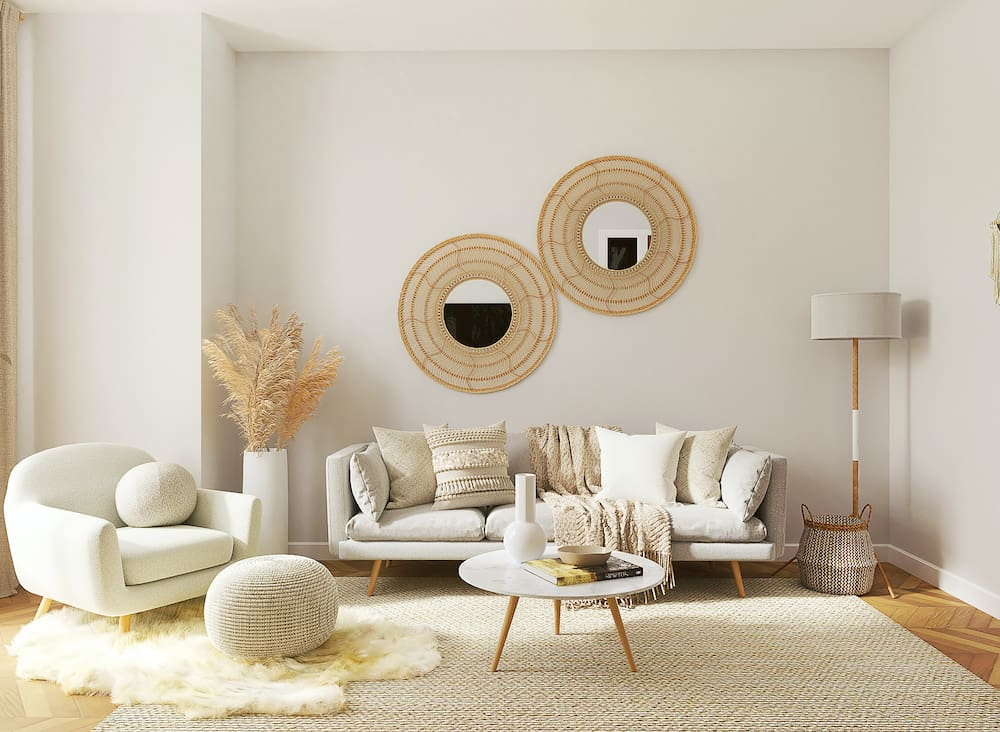
Soft, neutral colors help open up small spaces. Heavy, dark tones tend to close a room visually.
For small-room staging:
- White, beige, cream, or light grey work best.
- Avoid large, bulky furniture.
- Use mirrors to reflect light and increase openness.
- Leave some negative space to help the room “breathe”.
Even simple staging adjustments can significantly change how a room appears on video.
7. How Real Estate Video Editing Enhances Small Spaces
Even with great footage, real estate video editing can refine the overall look.
Editing cannot magically enlarge a room, but it can help viewers feel that the space is open, clean, and inviting.
Useful editing techniques include:
- Adjusting brightness and contrast.
- Using lens correction to reduce distortion.
- Softening deep shadows.
- Enhancing colors to make the room feel lively.
- Creating smooth transitions for better flow between rooms.
Good editing ensures that the viewer experiences the property with clarity and comfort.
8. Final Thoughts
Filming small spaces can be challenging, but when approached correctly, they can still look elegant and appealing in real estate videos. With proper lighting, staging, lens choice, movement, and solid real estate video editing, small rooms can shine just as much as larger ones.
Whether you’re an agent trying to improve your listings or a videographer wanting better results, mastering these techniques will drastically improve your final videos.
Why Choose Lumatrix Media
Lumatrix Media is a team of experienced real estate video editors serving clients around the world.
We understand how to bring out the best in any property – big or small – through professional editing, clean visuals, and smooth storytelling.
Explore our samples to see how we transform raw footage into polished, engaging real estate videos.
If you’re ready to make your next property look its best on screen, contact Lumatrix Media today.

Looking for more tips on filming and editing real estate videos? Check out our other blog posts.
How to Shoot Real Estate Footage That’s Easy to Edit
How to Match Music and Footage in Real Estate Videos
How to Use Transitions Wisely in Real Estate Videos
Our blog
Lastest blog posts
Tool and strategies modern teams need to help their companies grow.
Realtors Should Have a Repeatable Listing Marketing Process
Learn why realtors need a repeatable listing marketing process to save time, maintain quality, reduce [...]
Reducing the Price Does Not Always Solve a Listing Problem
Learn why reducing the price of a home does not always lead to more offers [...]
Why Realtors Need Different Marketing Strategies for Different Price Ranges
Learn why real estate marketing strategies should change across different price ranges, from buyer expectations [...]
Why You Should Shoot More Real Estate Footage When Filming a Property
Learn why filming more real estate footage during a property shoot gives editors more options, [...]
Why Filming for Social Media Is Different From Filming a Property Tour
Learn how filming for social media differs from a traditional property tour, including framing, pacing, [...]
Why Music Choice Can Change How Buyers Perceive a Property
Discover how music choice can influence the way buyers perceive a property, from mood and [...]
Why Small Rooms Need Different Camera Techniques
Learn why small rooms require different camera techniques in real estate photography and video, from [...]
Why Some Real Estate Footage Looks Good but Edits Badly
Learn why some real estate footage looks great on its own but becomes difficult to [...]