
Discover why minimalist homes remain highly appealing to buyers and how simplicity, clarity, and emotional comfort shape modern housing preferences.
Introduction: Minimalism Is No Longer Just a Design Trend
Minimalist homes have remained consistently desirable for years, even as interior design trends continue to evolve.
At first glance, this may seem surprising. Minimalist spaces often appear visually simple, restrained, and understated compared to more decorative styles.
Yet buyers repeatedly associate minimalist homes with:
- Calmness
- Sophistication
- Modern living
- Higher perceived quality
This appeal goes beyond aesthetics alone.
The continued popularity of minimalist homes reflects deeper psychological and cultural shifts in how people want to live, feel, and experience space.
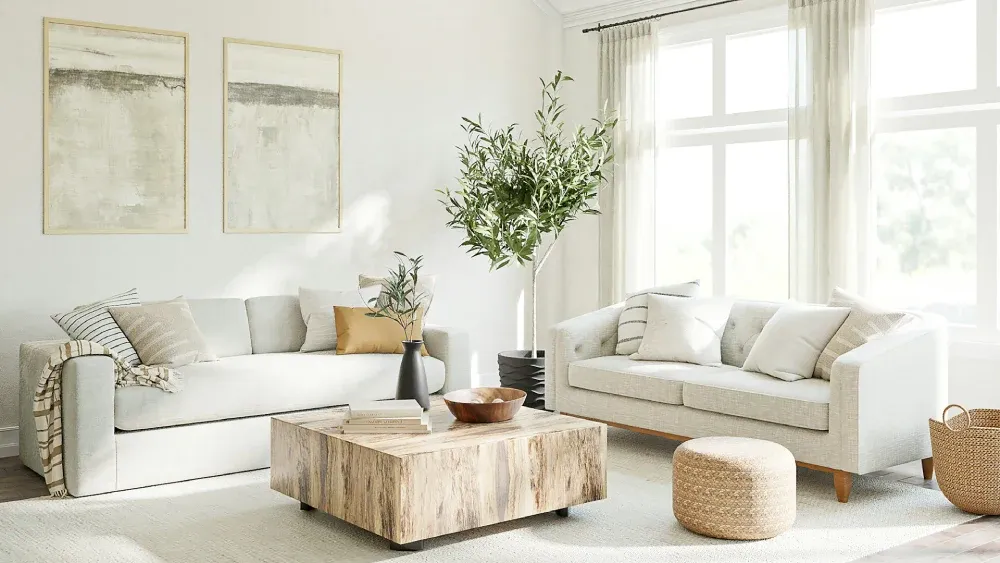
1. Minimalist Spaces Reduce Visual Stress
Modern life is visually overwhelming.
People constantly process:
- Notifications
- Advertisements
- Social media content
- Digital clutter
As a result, many buyers increasingly value environments that feel mentally quieter.
Minimalist interiors reduce visual noise by limiting:
- Excess decoration
- Competing colors
- Unnecessary objects
This creates spaces that feel easier to process cognitively.
When the brain experiences less visual tension, the environment often feels calmer and more emotionally comfortable.
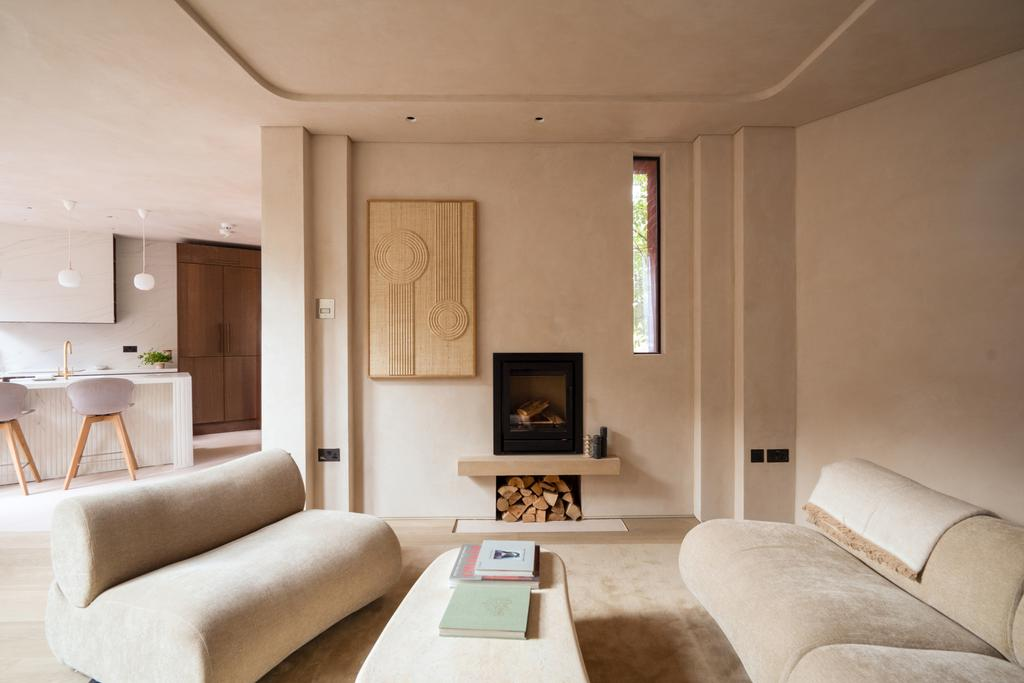
2. Simplicity Makes Spaces Feel More Spacious
Minimalism changes how space is perceived.
Rooms with fewer visual interruptions often feel:
- Larger
- More open
- Less confined
This effect occurs because the eye moves through the space more continuously.
Cluttered environments interrupt spatial flow. Minimalist spaces preserve it.
As a result, even smaller homes can feel more expansive when visual complexity is reduced.
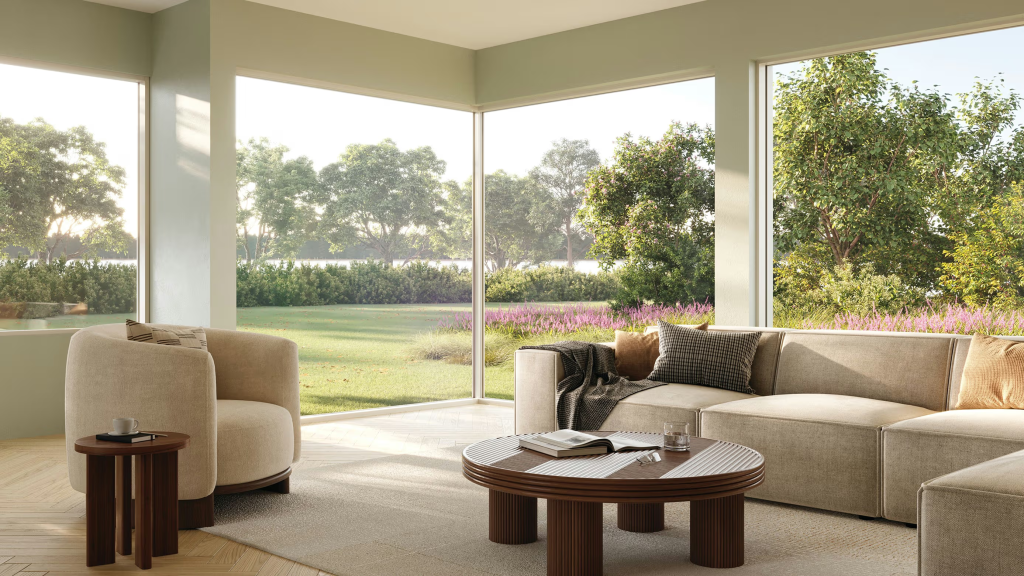
3. Minimalist Homes Feel More Adaptable
One reason minimalist homes attract broad buyer interest is flexibility.
Highly personalized interiors can make it difficult for buyers to imagine themselves living in the space.
Minimalist homes create fewer identity barriers.
The simplicity allows buyers to mentally project:
- Their routines
- Their furniture
- Their lifestyle preferences
This adaptability increases emotional accessibility, especially during property viewings.
4. Modern Buyers Increasingly Prioritize Emotional Comfort
Homebuyers are not only evaluating functionality. They are evaluating emotional experience.
Minimalist environments often feel:
- Peaceful
- Controlled
- Organized
- Predictable
These qualities are psychologically reassuring, particularly in fast-paced urban lifestyles.
The appeal is not necessarily about owning less. It is about experiencing less friction inside the living environment.
5. Natural Light Becomes More Powerful in Minimalist Spaces
Minimalist interiors often rely heavily on:
- Open layouts
- Neutral palettes
- Reduced visual obstruction
This allows natural light to play a much larger role in shaping atmosphere.
Light becomes more visible as a design element rather than simply illumination.
As daylight moves through minimalist spaces, shadows, textures, and surfaces feel softer and more intentional.
This creates a calm visual rhythm that buyers often associate with premium design.
6. Minimalism Aligns With Contemporary Lifestyle Shifts
Modern lifestyles increasingly emphasize:
- Flexibility
- Mobility
- Simplicity
- Functional living
Younger buyers, in particular, often value:
- Experiences over excess possessions
- Efficient use of space
- Lower-maintenance environments
Minimalist homes align naturally with these preferences because they prioritize intentional living over accumulation.
This cultural shift helps explain why minimalist design continues to remain relevant rather than temporary.
7. Minimalist Homes Often Feel More “Finished”
One overlooked reason minimalist homes perform well visually is coherence.
Because minimalist design reduces unnecessary variation:
- Spaces feel more unified
- Materials feel more intentional
- Architectural details stand out more clearly
This creates a stronger sense of completion and visual control.
In contrast, overly decorated interiors can sometimes feel fragmented or visually inconsistent.
8. Minimalism Changes the Relationship Between Objects and Space
Traditional interiors often focus attention on objects.
Minimalist spaces shift attention toward:
- Spatial proportion
- Light quality
- Texture
- Atmosphere
This changes how value is perceived.
Instead of communicating luxury through quantity, minimalist environments communicate luxury through restraint and balance.
This distinction has become increasingly important in modern high-end residential design.
9. Minimalism Is Not the Same as Emptiness
One of the biggest misconceptions about minimalist homes is that they feel cold or impersonal.
In reality, successful minimalist spaces rely heavily on:
- Warm lighting
- Material texture
- Spatial balance
- Thoughtful composition
Poor minimalism removes too much. Effective minimalism removes distraction while preserving comfort.
This difference is what separates calm spaces from sterile ones.
Professional Insight: Buyers Are Increasingly Drawn to Clarity
Minimalist homes continue to attract buyers because they align with broader emotional and cultural needs.
In an overstimulated world, clarity itself becomes valuable.
Minimalist spaces offer:
- Visual breathing room
- Emotional calmness
- Greater spatial awareness
These qualities influence perception more strongly than many purely decorative features.
Work with Lumatrix Media to Create More Refined Property Presentation
At Lumatrix Media, we focus on presenting properties with clarity, balance, and visual intention.
Our editing approach emphasizes natural lighting, spatial flow, and clean visual composition to help homes feel more calm, modern, and emotionally engaging.
We believe strong property presentation is not about exaggeration, it is about helping buyers experience the atmosphere of a space more clearly.
If you want your listings to feel more refined and visually cohesive, you can explore our portfolio and contact Lumatrix Media to discuss your next project.

- Facebook: Lumatrix Media
- Instagram: lumatrix.media
- Website: lumatrixmedia.com
- Email: lumatrix.media@gmail.com
Our blog
Lastest blog posts
Tool and strategies modern teams need to help their companies grow.
Realtors Should Have a Repeatable Listing Marketing Process
Learn why realtors need a repeatable listing marketing process to save time, maintain quality, reduce [...]
Reducing the Price Does Not Always Solve a Listing Problem
Learn why reducing the price of a home does not always lead to more offers [...]
Why Realtors Need Different Marketing Strategies for Different Price Ranges
Learn why real estate marketing strategies should change across different price ranges, from buyer expectations [...]
Why You Should Shoot More Real Estate Footage When Filming a Property
Learn why filming more real estate footage during a property shoot gives editors more options, [...]
Why Filming for Social Media Is Different From Filming a Property Tour
Learn how filming for social media differs from a traditional property tour, including framing, pacing, [...]
Why Music Choice Can Change How Buyers Perceive a Property
Discover how music choice can influence the way buyers perceive a property, from mood and [...]
Why Small Rooms Need Different Camera Techniques
Learn why small rooms require different camera techniques in real estate photography and video, from [...]
Why Some Real Estate Footage Looks Good but Edits Badly
Learn why some real estate footage looks great on its own but becomes difficult to [...]