
Wide-angle and ultra-wide lenses both have advantages in real estate photography and video. Learn the differences, when to use each, and how lens choice affects buyer perception.
Introduction: A Wider View Isn’t Always a Better View
One of the most common assumptions in real estate photography is that the wider the lens, the better the result.
It seems logical.
A wider lens captures more of the room, making spaces appear larger and allowing viewers to see more within a single frame. For photographers and videographers working in tight interiors, that extra field of view can feel like an obvious advantage.
However, experienced real estate professionals know that lens choice is about much more than fitting everything into the shot.
The decision between a wide-angle lens and an ultra-wide lens directly affects how buyers perceive a property. It influences proportions, perspective, architectural accuracy, and ultimately the credibility of the listing.
The goal isn’t to make a home look bigger than it is.
The goal is to help buyers understand the space as naturally and accurately as possible.
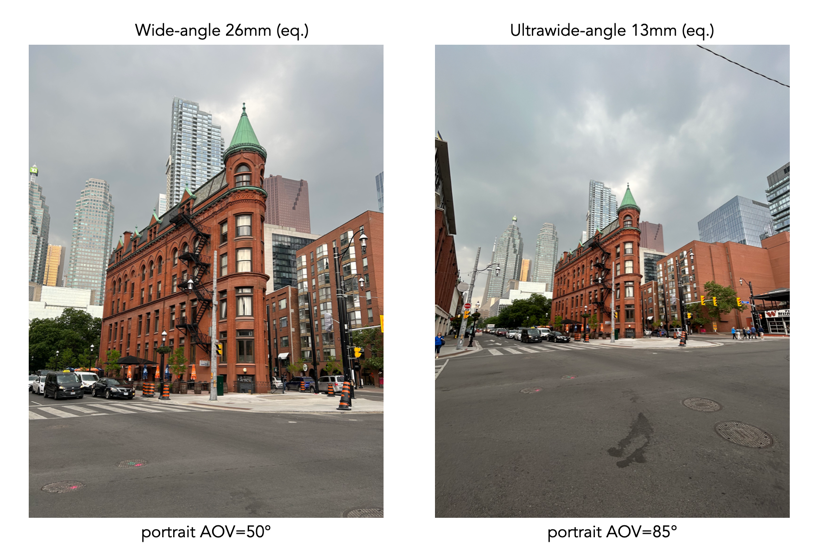
Understanding the Difference
Although there is no universal definition, lenses used for real estate generally fall into two categories.
A wide-angle lens typically covers a focal length between 16mm and 35mm on a full-frame camera.
An ultra-wide lens is generally anything wider than 16mm, with many photographers using lenses around 10mm to 14mm.
Both allow photographers to capture more of a room than a standard lens.
The difference lies in how they render perspective.
As the focal length becomes shorter, perspective distortion becomes more noticeable.
Objects close to the camera appear larger, while elements farther away seem smaller and more distant.
This is where the choice becomes important.
Why Wide-Angle Lenses Are the Industry Standard
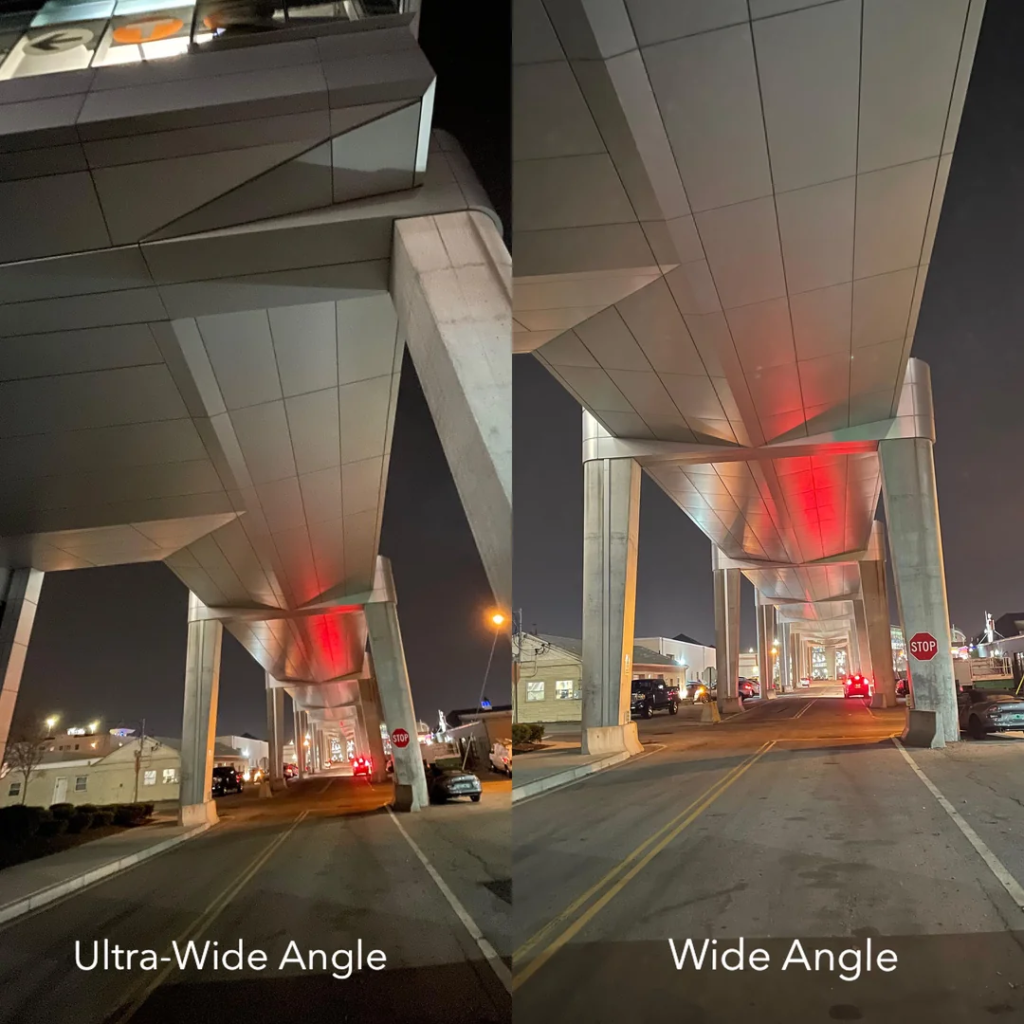
For most residential properties, a wide-angle lens offers the best balance between coverage and realism.
It allows photographers to capture an entire room without dramatically altering its proportions.
Walls remain relatively natural.
Furniture maintains believable dimensions.
The relationship between different areas of the room is easier for buyers to understand.
This balance helps create images that feel spacious without becoming misleading.
That is why wide-angle lenses have become the preferred choice for many professional real estate photographers.
The Advantages of Ultra-Wide Lenses
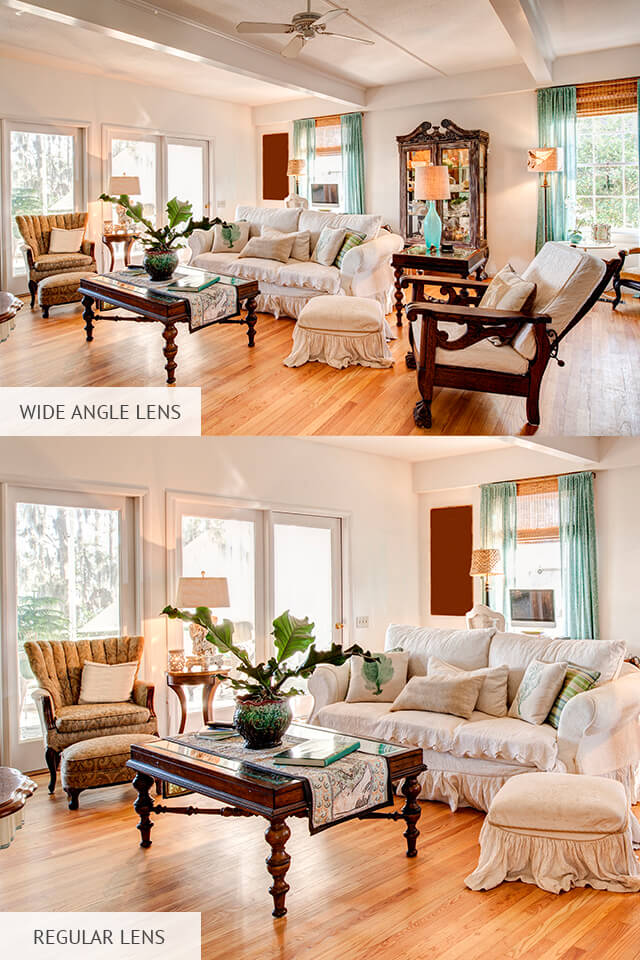
Ultra-wide lenses certainly have their place.
They can be particularly useful when photographing:
- Small bathrooms
- Compact powder rooms
- Narrow hallways
- Laundry rooms
- Tiny apartments
- Spaces where stepping farther back is impossible
In these situations, an ultra-wide lens allows viewers to see the room more completely.
Without it, important features might be left outside the frame.
Used carefully, ultra-wide lenses can improve understanding of difficult spaces.
The key is moderation.
When Ultra-Wide Starts Working Against the Property
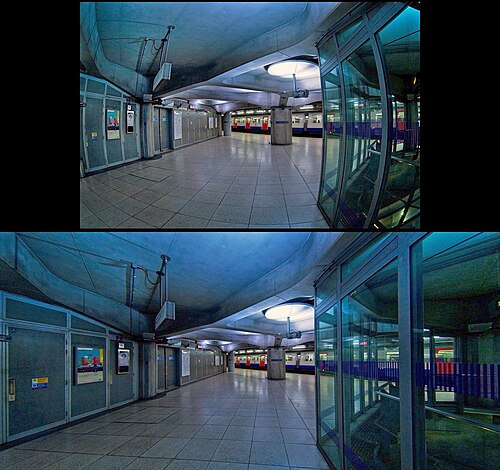
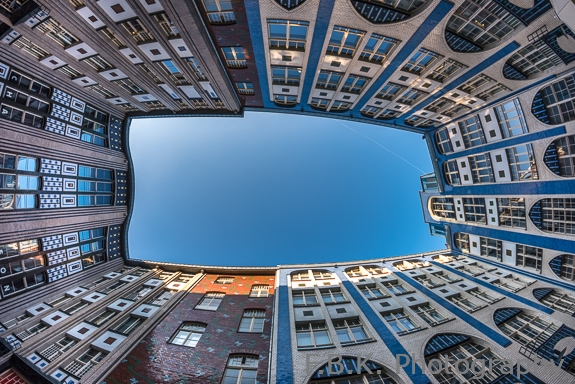
The biggest limitation of ultra-wide lenses is perspective distortion.
As the field of view becomes extremely wide, rooms may begin to appear unnaturally large.
Walls stretch outward.
Furniture near the camera looks oversized.
Objects farther away seem unusually distant.
Corners become exaggerated.
Although these effects may initially make a room feel spacious, they can also create unrealistic expectations.
Buyers who later visit the property may feel the space is smaller than they anticipated.
Rather than increasing trust, excessive distortion can unintentionally reduce it.
Professional marketing should create confidence, not surprise.
Buyer Trust Matters More Than Bigger Rooms
Real estate marketing is ultimately about helping buyers make informed decisions.
If photography creates unrealistic expectations, even unintentionally, buyers may question the accuracy of the entire listing.
Most buyers cannot identify lens distortion.
They simply notice when a room feels different in person than it did online.
This difference can affect credibility.
The best real estate images don’t attempt to impress buyers with exaggerated size.
They help buyers understand the property’s true proportions while presenting it in the most appealing way possible.
Composition Is More Important Than Lens Width
An excellent photograph is rarely the result of lens choice alone.
Professional photographers pay just as much attention to:
- Camera height
- Shooting angle
- Lighting
- Composition
- Vertical alignment
- Room preparation
A thoughtfully composed image captured with a moderate wide-angle lens often looks far more professional than an ultra-wide photograph taken without careful planning.
Equipment helps.
Technique matters more.
Editing Helps Refine Perspective But It Has Limits
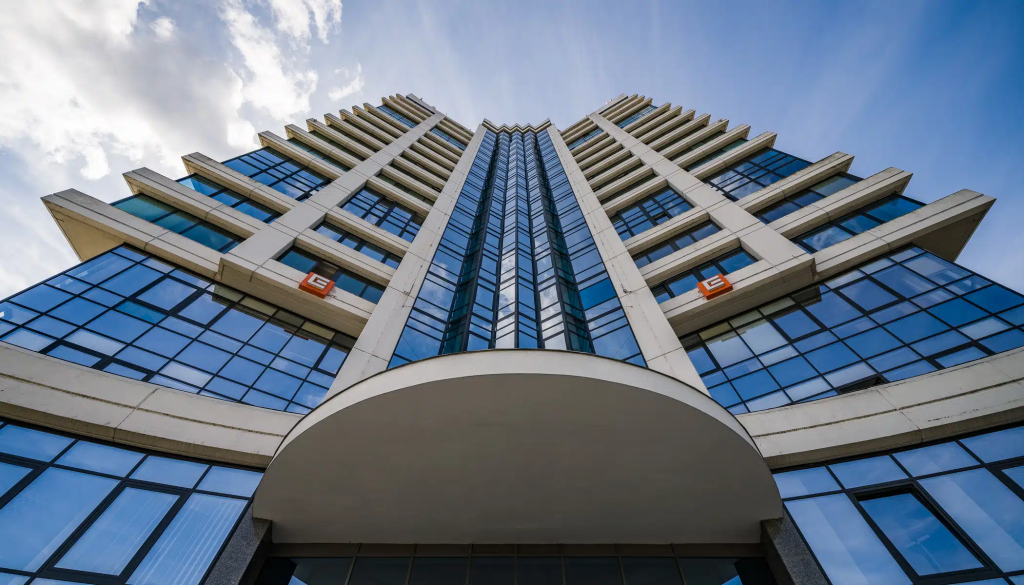
Modern editing software can correct many perspective issues.
Vertical lines can be straightened.
Lens distortion can be reduced.
Exposure can be balanced.
Colors can be adjusted for consistency.
However, editing cannot completely eliminate the optical characteristics of an extremely wide lens.
If a room has been heavily stretched during capture, post-production can improve the image but cannot fully restore natural proportions without sacrificing part of the frame.
This is why experienced editors often emphasize getting the camera settings right before editing begins.
Strong footage always produces stronger final results.
The Best Choice Depends on the Property
There is no single lens that works perfectly for every listing.
A luxury home with large open living areas often benefits from the natural perspective of a standard wide-angle lens.
A compact studio apartment may require an ultra-wide lens simply to communicate the layout effectively.
Professional photographers rarely ask,
“Which lens is best?”
Instead, they ask,
“Which lens best represents this particular space?”
That mindset leads to more accurate marketing and a better viewing experience for potential buyers.
Professional Real Estate Marketing Prioritizes Accuracy
Beautiful photography certainly attracts attention.
Accurate photography builds trust.
The strongest listings strike a balance between showcasing a property’s strengths and representing it honestly.
Lens choice plays an important role in achieving that balance.
Wide-angle lenses provide a natural sense of space for most homes.
Ultra-wide lenses solve specific challenges in smaller environments.
Neither is universally better.
Success comes from knowing when each tool is appropriate.
Conclusion
The debate between wide-angle and ultra-wide lenses isn’t about choosing a winner.
It’s about choosing the right tool for the property.
For most real estate photography and video, a wide-angle lens delivers the most balanced combination of spaciousness, realism, and buyer confidence.
Ultra-wide lenses remain valuable for particularly tight interiors, but they should be used thoughtfully to avoid creating unrealistic expectations.
Ultimately, buyers aren’t looking for the widest image.
They’re looking for an accurate representation of a home they may soon visit in person.
The best real estate visuals don’t exaggerate reality.
They present it as clearly and professionally as possible.
Work with Lumatrix Media for Professional Real Estate Video Editing
At Lumatrix Media, we know that creating premium real estate videos starts long before the editing process. Camera angles, lens choice, composition, and lighting all influence the quality of the final result.
Our editing team works with footage from a wide range of cameras and shooting styles, carefully refining perspective, color, pacing, and visual consistency to present every property as naturally and professionally as possible.
If you’re looking for polished real estate videos that build buyer confidence, not unrealistic expectations, explore our portfolio and contact Lumatrix Media to discuss your next project.

- Facebook: Lumatrix Media
- Instagram: lumatrix.media
- Website: lumatrixmedia.com
- Email: lumatrix.media@gmail.com
Our blog
Lastest blog posts
Tool and strategies modern teams need to help their companies grow.
Realtors Should Have a Repeatable Listing Marketing Process
Learn why realtors need a repeatable listing marketing process to save time, maintain quality, reduce [...]
Reducing the Price Does Not Always Solve a Listing Problem
Learn why reducing the price of a home does not always lead to more offers [...]
Why Realtors Need Different Marketing Strategies for Different Price Ranges
Learn why real estate marketing strategies should change across different price ranges, from buyer expectations [...]
Why You Should Shoot More Real Estate Footage When Filming a Property
Learn why filming more real estate footage during a property shoot gives editors more options, [...]
Why Filming for Social Media Is Different From Filming a Property Tour
Learn how filming for social media differs from a traditional property tour, including framing, pacing, [...]
Why Music Choice Can Change How Buyers Perceive a Property
Discover how music choice can influence the way buyers perceive a property, from mood and [...]
Why Small Rooms Need Different Camera Techniques
Learn why small rooms require different camera techniques in real estate photography and video, from [...]
Why Some Real Estate Footage Looks Good but Edits Badly
Learn why some real estate footage looks great on its own but becomes difficult to [...]