
Smooth camera movement can make real estate videos feel more professional and easier to watch. Learn why movement matters more than expensive equipment when filming properties.
Introduction: Expensive Gear Doesn’t Guarantee Better Footage
Real estate videography often looks deceptively simple.
A camera moves through a house, the rooms appear one after another, and the final video is edited to music. But creating footage that actually feels professional requires more than an expensive camera or the latest equipment.
One of the most important factors is something much simpler: how the camera moves.
A high-end camera can capture incredible resolution, dynamic range, and color information. However, if the footage is shaky, rushed, or constantly changing direction, those technical advantages become difficult for viewers to appreciate.
By contrast, footage captured with relatively simple equipment can look polished when the camera movement is controlled, intentional, and appropriate for the space.
For real estate videos, smooth movement is not simply an aesthetic preference.
It affects how viewers understand the property, how comfortable they feel while watching, and how professionally they perceive the listing.
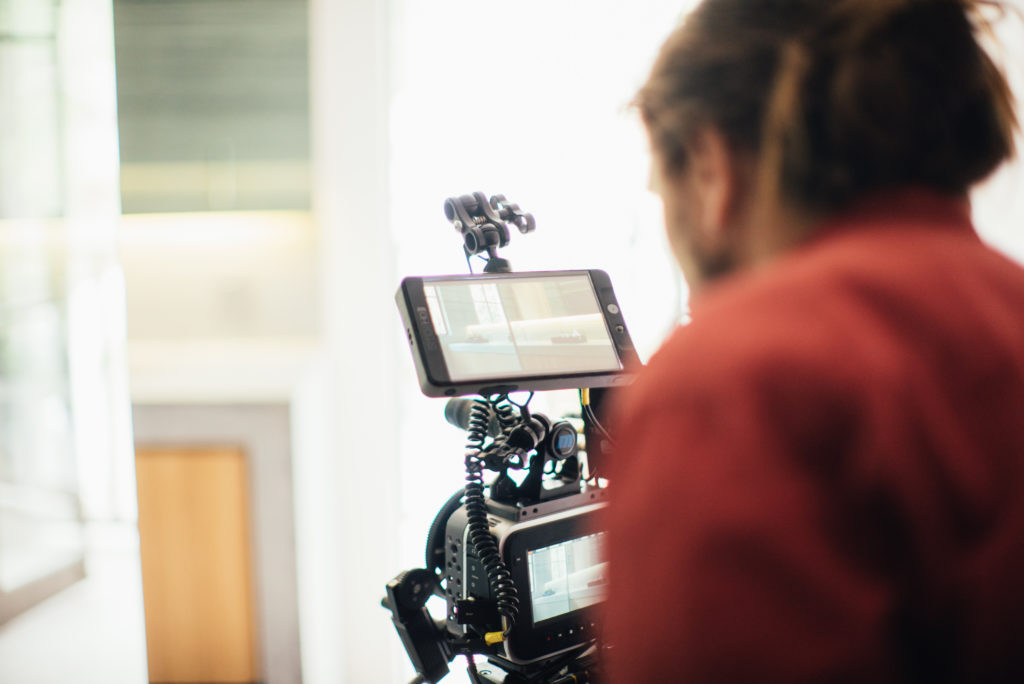
Camera Movement Helps Viewers Understand Space
A real estate video has a job that many other types of video do not.
It needs to communicate a physical environment.
Viewers should be able to understand how rooms connect, where important features are located, and how the property flows from one space to another.
Smooth camera movement makes this process easier.
A controlled movement through a living room allows the viewer to observe the space gradually. A slow transition from the kitchen toward the dining area helps establish the relationship between the two rooms.
When movement is too fast or unpredictable, viewers have less time to process what they are seeing.
The result can be visually exciting but informationally weak.
A property video should not simply show the house.
It should help viewers understand it.

Smooth Movement Creates a More Comfortable Viewing Experience
Human vision is sensitive to unexpected movement.
When footage suddenly jerks, accelerates, or changes direction without warning, viewers have to adjust their attention quickly.
Repeated throughout a video, these movements can become tiring.
This is particularly important for real estate content because property videos are often watched on phones, laptops, and large screens where movement is highly visible.
Smooth camera movement creates visual continuity.
The viewer can follow the camera without constantly adjusting to sudden changes.
That makes the video feel calmer, more polished, and easier to watch from beginning to end.
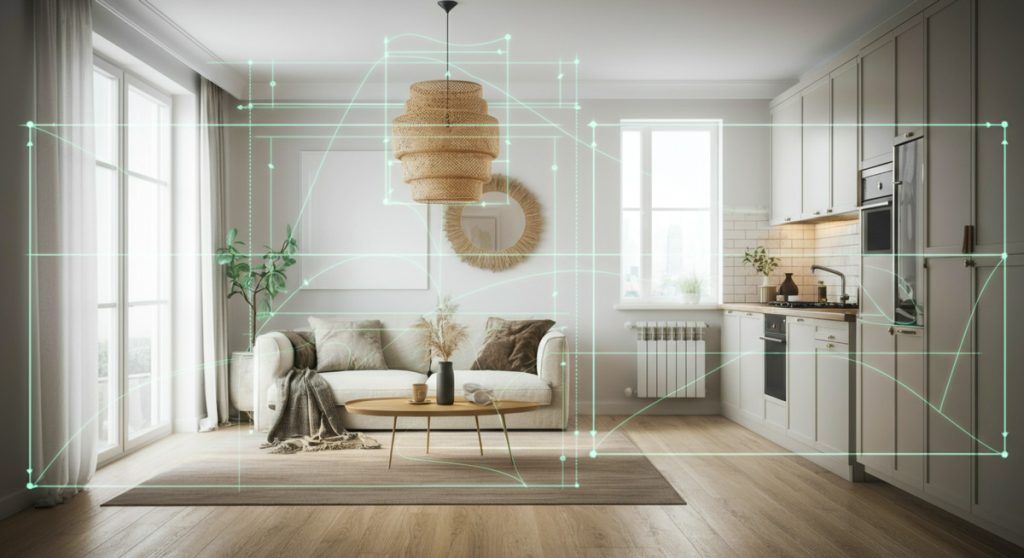
Slow Doesn’t Always Mean Smooth
One common misconception is that slowing down the camera automatically creates professional footage.
It doesn’t.
A slow movement can still look unstable if the camera operator changes speed inconsistently or struggles to maintain direction.
True smoothness comes from controlled acceleration and deceleration.
Instead of suddenly starting a movement, the camera gradually begins moving.
Instead of stopping abruptly, it gradually slows down.
This creates a natural sense of momentum.
The difference may seem small, but it can dramatically improve the perceived quality of the footage.
Movement Should Have a Purpose
Not every shot needs camera movement.
In fact, adding movement simply because the camera can move often makes a real estate video weaker.
Every movement should help communicate something.
A forward movement might introduce a room.
A lateral movement might reveal the relationship between spaces.
A slow push toward an architectural feature might draw attention to its details.
A controlled pullback might establish the scale of a room.
When movement has a purpose, it becomes part of the property’s visual story.
When movement has no purpose, it becomes a distraction.
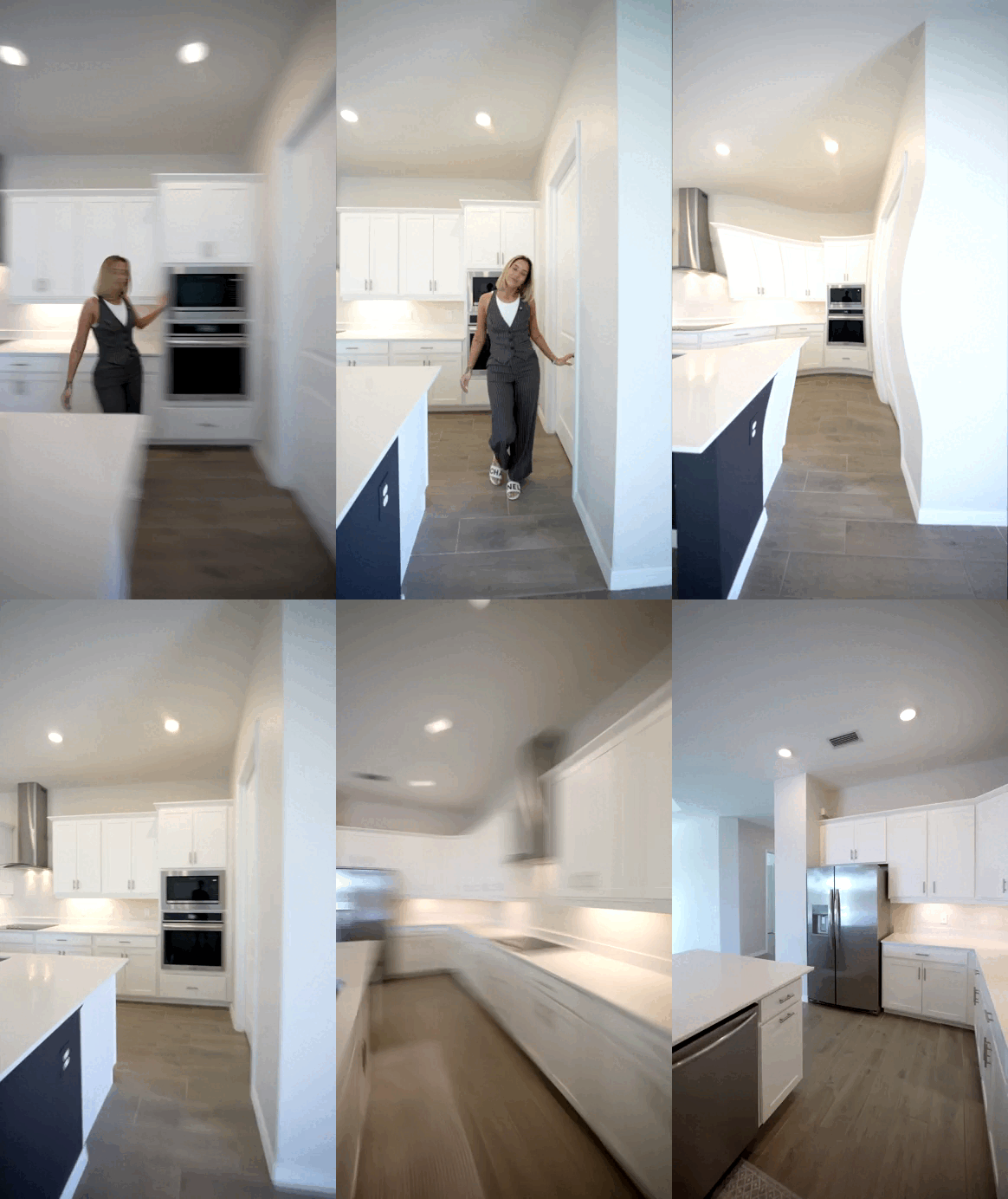
Camera Speed Should Match the Space
Different rooms require different movement speeds.
A small bathroom may only need a short, controlled movement because there is limited information to reveal.
A large living room may benefit from a slower, wider movement that gives viewers enough time to understand its proportions.
Exterior footage can also require a different approach.
A slow movement across a landscaped backyard can emphasize depth and atmosphere, while a faster transition may work better when connecting multiple exterior areas.
There is no universal speed for real estate videos.
The movement should reflect the amount of information the viewer needs to process.
Excessive Movement Can Make a Home Feel Smaller
This is one of the most overlooked aspects of real estate videography.
Fast camera movement doesn’t necessarily make a property feel dynamic.
Sometimes it does the opposite.
When the camera moves rapidly through a small room, viewers have less time to process its dimensions. The space can feel visually compressed because the viewer never gets a stable sense of its proportions.
Slower, more controlled movement gives the viewer time to observe walls, furniture, windows, and architectural features.
That creates a clearer understanding of the actual space.
In real estate marketing, clarity is often more valuable than speed.

Gimbal Movement Is Useful, but Technique Still Matters
Gimbals have become common tools for real estate videographers because they provide stabilized footage while allowing the camera to move freely.
However, a gimbal does not automatically create cinematic footage.
A stabilized camera can still produce poor results if the operator:
- Changes direction too abruptly
- Walks unevenly
- Moves at inconsistent speeds
- Rotates the camera without purpose
- Frames subjects poorly
The equipment reduces certain technical problems.
It doesn’t replace camera operation skills.
Good footage comes from understanding both the tool and the space being filmed.

Fancy Equipment Has Limits
High-end cameras provide genuine advantages.
They can offer better low-light performance, greater dynamic range, higher resolution, and more flexibility during post-production.
Those advantages become particularly useful in difficult lighting conditions or demanding professional workflows.
But they cannot fix poor movement.
A $5,000 camera does not automatically produce stable footage.
Neither does a premium lens.
Neither does a professional gimbal.
Equipment captures what the operator does with it.
That is why technical skill often creates a larger visible improvement than simply upgrading equipment.
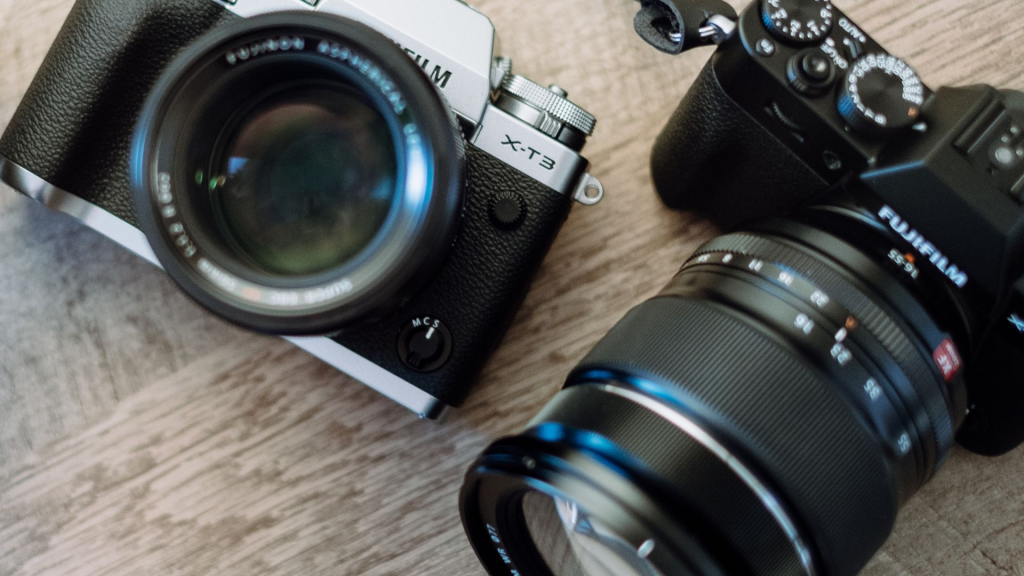
Good Movement Gives Editors Better Footage to Work With
Camera movement also affects what happens after filming.
Editors need footage that can be cut together smoothly.
When camera movement is consistent, it becomes easier to create transitions between rooms, synchronize shots with music, and maintain a coherent visual rhythm.
Unstable footage can create additional problems.
Some shots may need heavier stabilization.
Other shots may have to be shortened because the movement becomes distracting.
In extreme cases, usable portions of the footage may be very limited.
Better camera operation therefore improves not only the footage itself but also the editing possibilities.
Consistency Matters More Than One Impressive Shot
A real estate video may contain one spectacular camera movement.
That doesn’t necessarily make the entire video professional.
Viewers experience the listing as a sequence.
If one shot is beautifully controlled but the next is shaky, rushed, or poorly framed, the inconsistency becomes noticeable.
Professional real estate videos maintain a visual rhythm throughout the property.
Camera speed, movement direction, framing, and transitions should feel like parts of the same visual language.
Consistency creates polish.
Smooth Movement Helps the Property Stay Center Stage
The purpose of a real estate video is not to showcase the camera operator.
It is to showcase the property.
When movement is smooth and controlled, viewers can focus on the architecture, design, lighting, and layout.
When movement is excessive, attention shifts toward the footage itself.
The viewer starts noticing the camera rather than the home.
This is one of the clearest differences between technical skill and visual showmanship.
Good real estate videography makes the camera feel almost invisible.
Conclusion: Technique Creates More Value Than Equipment Alone
Expensive equipment can improve the technical quality of real estate footage, but equipment alone cannot create a professional video.
Smooth camera movement helps viewers understand space, reduces visual fatigue, improves continuity, and gives editors better material to work with.
More importantly, controlled movement keeps attention where it belongs: on the property.
The best real estate videos aren’t necessarily the ones filmed with the most expensive cameras.
They’re the ones where every movement feels intentional.
Before upgrading equipment, real estate videographers can often create a bigger improvement by learning to control speed, direction, framing, and momentum.
In property marketing, a smooth camera can make an ordinary setup look professional.
Fancy equipment can’t do the same for an uncontrolled camera.
Work with Lumatrix Media for Professional Real Estate Video Editing
At Lumatrix Media, we understand that great real estate videos start with strong footage and finish with thoughtful post-production.
Our editing team works with footage from different cameras, lenses, and filming styles to create polished property videos with smooth pacing, consistent visuals, and a clear sense of flow.
From selecting the strongest movements to refining transitions, color, and timing, we focus on making the final video feel natural while keeping the property at the center of the story.
Explore our samples and contact Lumatrix Media to discuss your next real estate video project.

- Facebook: Lumatrix Media
- Instagram: lumatrix.media
- Website: lumatrixmedia.com
- Email: lumatrix.media@gmail.com
Our blog
Lastest blog posts
Tool and strategies modern teams need to help their companies grow.
Realtors Should Have a Repeatable Listing Marketing Process
Learn why realtors need a repeatable listing marketing process to save time, maintain quality, reduce [...]
Reducing the Price Does Not Always Solve a Listing Problem
Learn why reducing the price of a home does not always lead to more offers [...]
Why Realtors Need Different Marketing Strategies for Different Price Ranges
Learn why real estate marketing strategies should change across different price ranges, from buyer expectations [...]
Why You Should Shoot More Real Estate Footage When Filming a Property
Learn why filming more real estate footage during a property shoot gives editors more options, [...]
Why Filming for Social Media Is Different From Filming a Property Tour
Learn how filming for social media differs from a traditional property tour, including framing, pacing, [...]
Why Music Choice Can Change How Buyers Perceive a Property
Discover how music choice can influence the way buyers perceive a property, from mood and [...]
Why Small Rooms Need Different Camera Techniques
Learn why small rooms require different camera techniques in real estate photography and video, from [...]
Why Some Real Estate Footage Looks Good but Edits Badly
Learn why some real estate footage looks great on its own but becomes difficult to [...]