
Discover why high ceilings make homes feel more luxurious, from improved natural light and visual space to architectural details that influence buyer perception.
1. High Ceilings Make Rooms Feel More Spacious
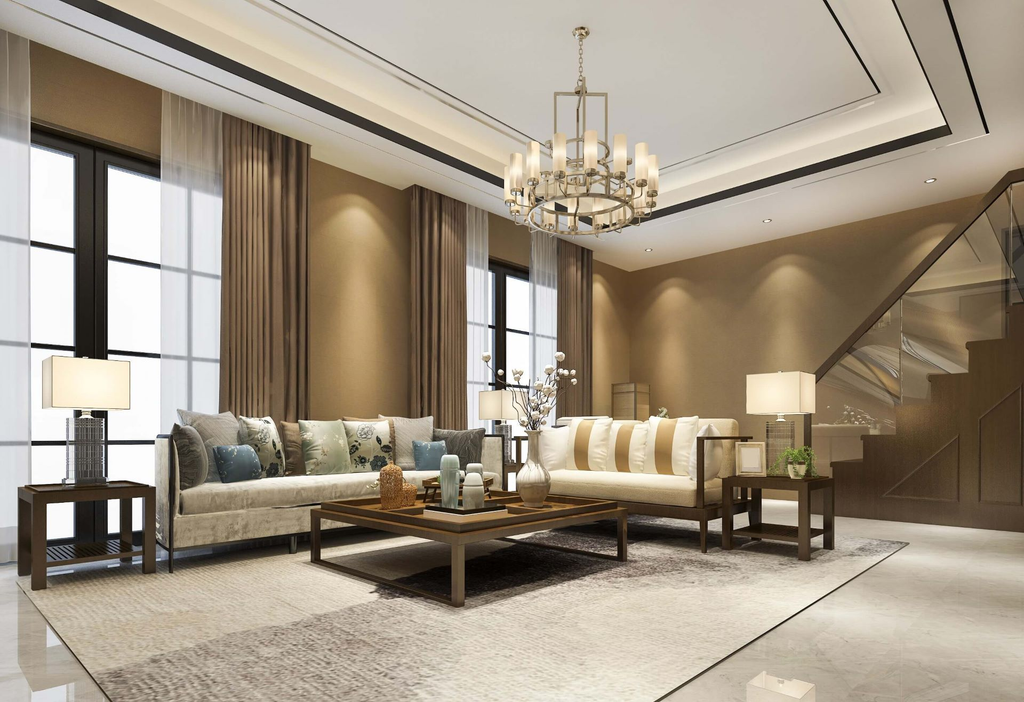
A room’s perceived size depends on more than its floor area. Ceiling height also affects how people interpret the space around them.
Two living rooms may have similar square footage, but the one with a higher ceiling can feel more open because there is more vertical space above the furniture and walking areas. The room may feel less enclosed, particularly when the layout allows the eye to move freely across the interior.
This effect can be especially noticeable in living rooms, entryways, and open-plan spaces. Higher ceilings create a stronger sense of volume without requiring the property to have a larger footprint.
For buyers comparing several homes, this difference can influence how comfortable or impressive a space feels during a viewing. It also explains why ceiling height can contribute to the perception of spaciousness even when the room’s actual floor area remains unchanged.
2. They Give Natural Light More Room to Spread
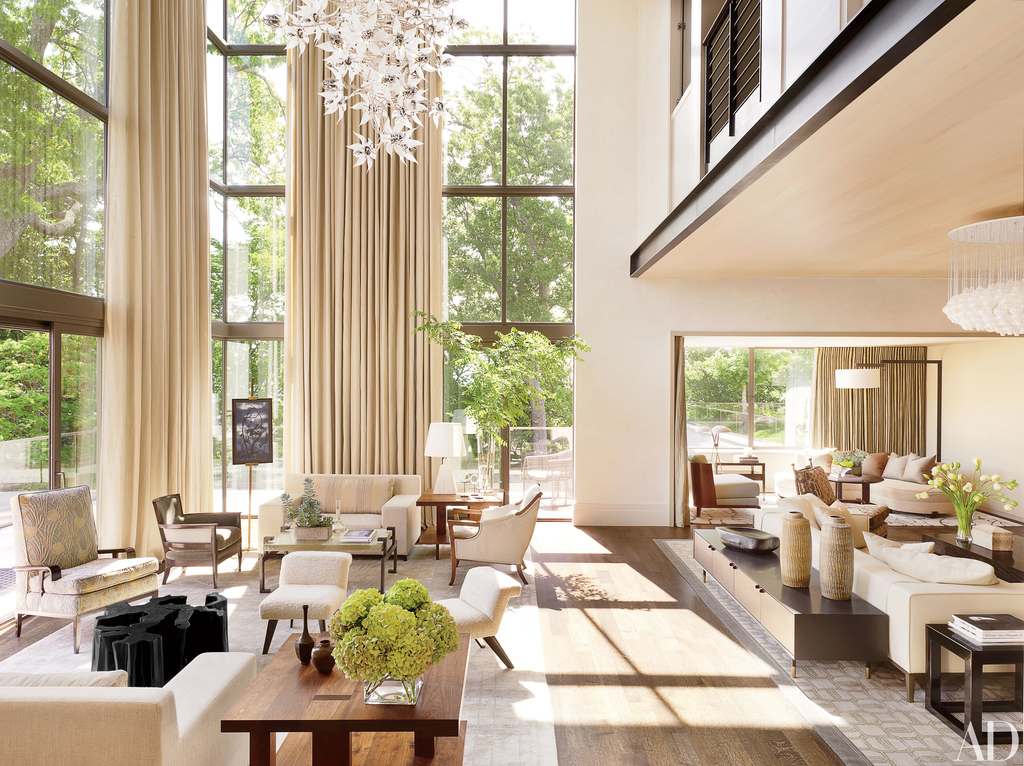
Natural light plays an important role in how people experience an interior. Bright rooms often feel more welcoming, while dark spaces can appear smaller or less inviting.
High ceilings can support a brighter interior when they are combined with appropriately positioned windows, skylights, or other openings. Taller windows can allow daylight to enter from a greater height, while the additional vertical space may help light spread through parts of an open room.
The result depends on several factors, including window orientation, exterior obstructions, window size, and the room’s layout. A high ceiling alone does not guarantee a bright space.
When these elements work together, however, the room can feel both spacious and airy. This combination contributes to the refined atmosphere buyers often associate with premium residential design.
3. High Ceilings Create More Opportunities for Architectural Features
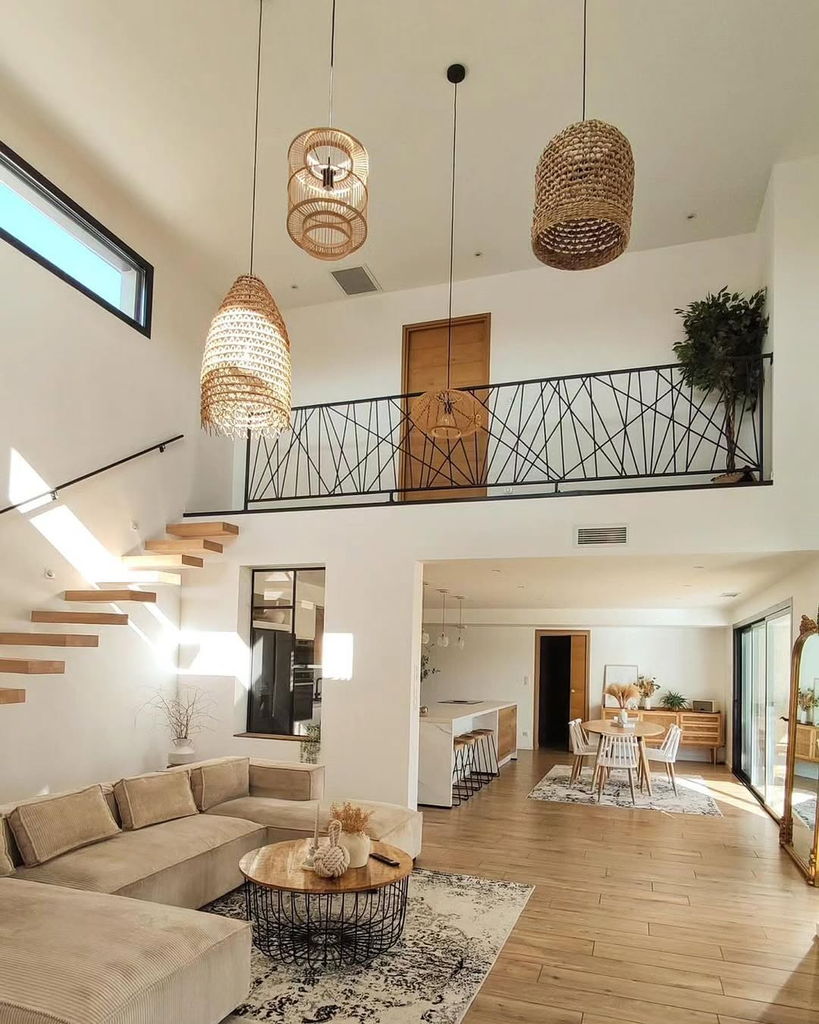
In rooms with standard ceiling heights, decorative elements must fit within a relatively limited vertical area. Higher ceilings offer more room for architectural features that add character and visual interest.
These may include exposed beams, decorative ceiling moldings, recessed details, large pendant lights, or carefully designed ceiling panels. In some homes, the ceiling itself becomes an important part of the interior design rather than simply a finished surface above the room.
Such details can make a property feel more distinctive, particularly when they complement the home’s overall architectural style.
However, decoration alone does not create a luxurious result. Too many competing elements can make a room feel crowded or outdated. The strongest designs use the additional height to create balance and highlight a few well-chosen features.
4. They Make Statement Lighting More Effective
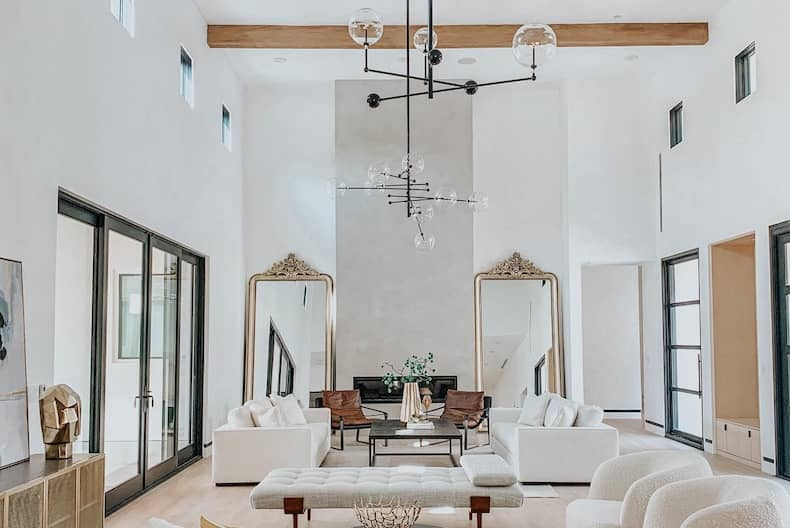
Lighting fixtures can become focal points in a room, but their impact depends partly on the surrounding space.
A large chandelier or sculptural pendant may overwhelm a room with a low ceiling. In a taller space, the same fixture can feel more proportionate and create a stronger visual connection between the upper and lower parts of the interior.
High ceilings also allow designers to experiment with different lighting arrangements. A fixture can hang above a dining table, draw attention to a staircase, or emphasize the height of an entryway.
The key is choosing a fixture that fits the room’s dimensions. A light that is too small may disappear within a large space, while one that is too large can dominate the interior.
When the proportions are right, statement lighting helps make the room feel intentionally designed rather than simply larger.
5. High Ceilings Can Make Open-Plan Layouts Feel More Cohesive
Open-plan homes combine areas such as the kitchen, dining room, and living room into a shared space. Although this layout can improve movement and interaction, large open areas may sometimes feel visually flat if there is little variation in height or architectural detail.
High ceilings can help establish a stronger sense of volume across the combined space. They also provide room for features such as pendant lighting over a kitchen island, exposed structural beams, or large windows that connect the interior with the outdoors.
These elements can help define different areas without relying entirely on walls or partitions.
For buyers, the result may feel more spacious and connected. For realtors, this creates an opportunity to show how the home’s layout works as a whole rather than presenting the kitchen, dining area, and living room as unrelated features.
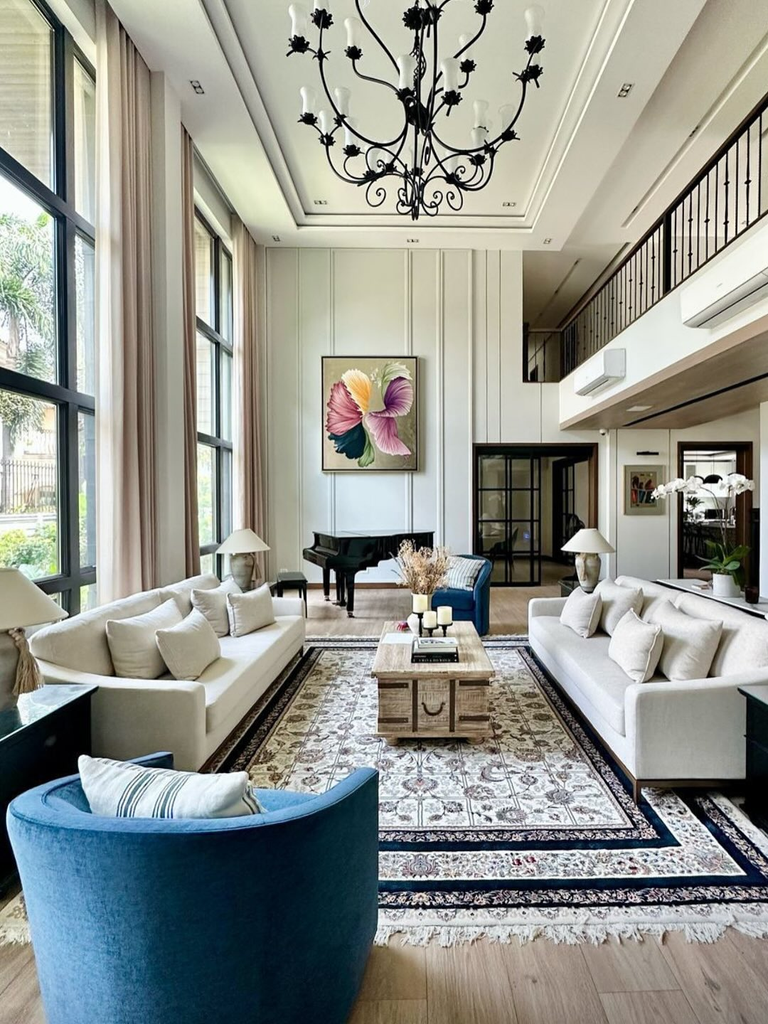
6. They Can Make Large Windows and Views More Impressive
High ceilings often work particularly well with tall windows, especially in homes designed to maximize views or natural light.
A window that extends upward can create a stronger visual connection with the outdoors. Depending on its position, it may frame trees, gardens, city skylines, or surrounding landscapes while emphasizing the height of the room.
This combination can make the exterior view feel like an integral part of the interior design.
However, the effect depends on the quality of the view and how the windows are positioned. A tall window facing an unattractive wall may not provide the same appeal as one overlooking a landscaped garden.
When the view is attractive, the additional height can help turn an ordinary window into a prominent architectural feature.
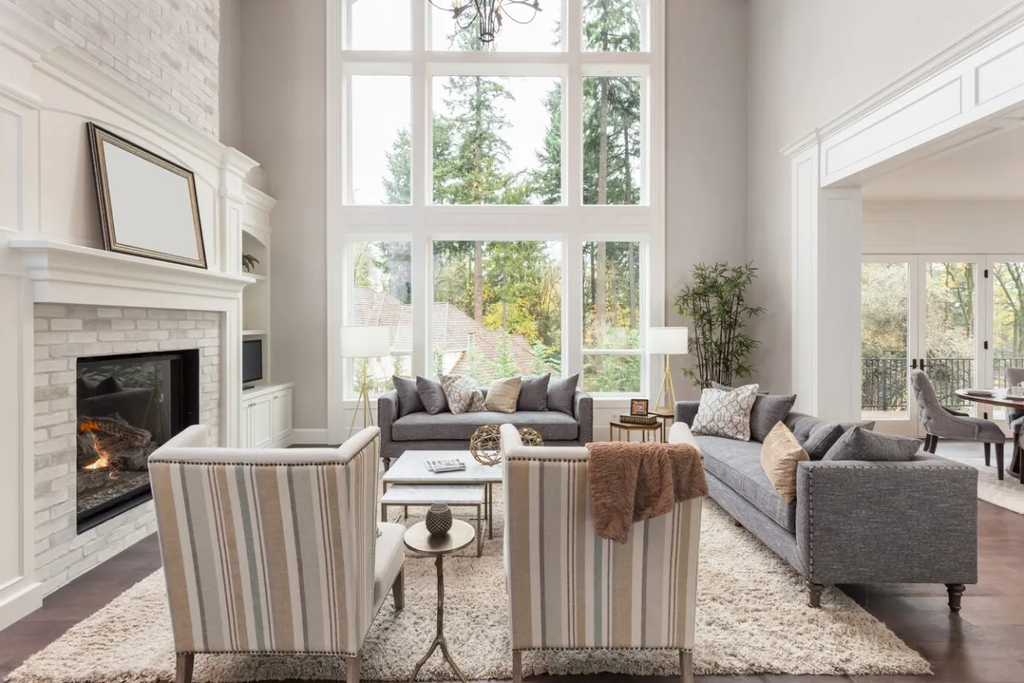
7. High Ceilings Can Influence How Buyers Perceive a Property
Buyers rarely evaluate a home through measurements alone. Their impressions are also shaped by how a property feels when they enter each room.
A high-ceiling living room may feel more impressive during a viewing, while a tall entryway can establish a sense of scale from the moment someone walks through the front door. These experiences can influence how buyers remember the property afterward.
High ceilings may also be associated with certain architectural styles, larger homes, or more carefully considered interior design. As a result, buyers may interpret them as a sign of quality or luxury.
Still, perceived luxury is not the same as guaranteed market value. Ceiling height is only one factor among location, condition, layout, finishes, and comparable sales. A high ceiling does not automatically make a property more expensive or ensure a higher selling price.
Its importance lies in how it contributes to the overall experience of the home.
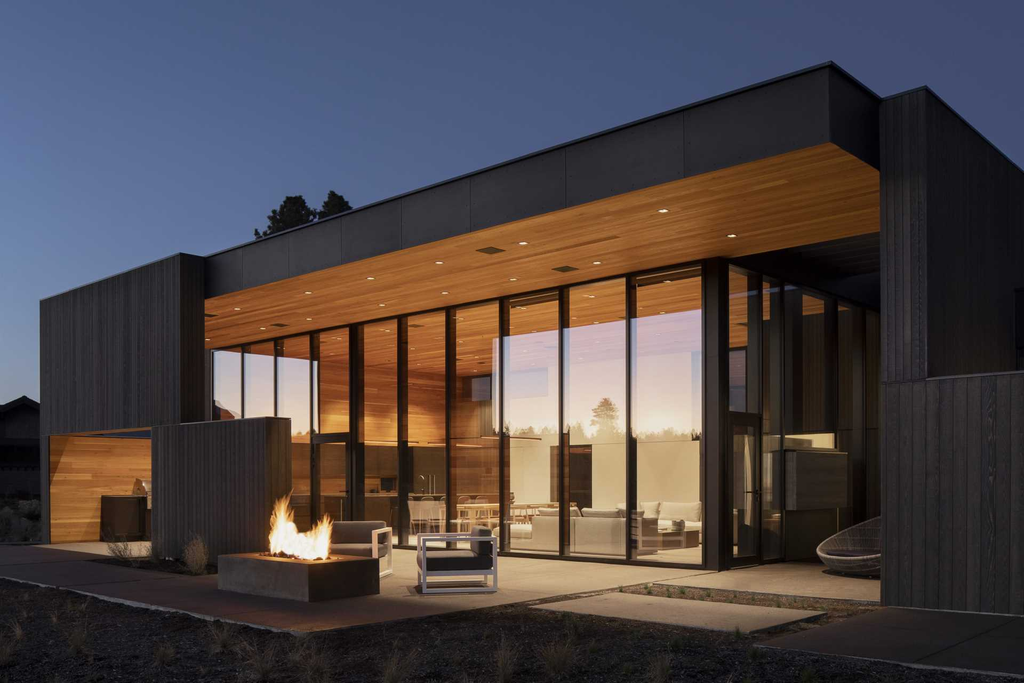
8. Not Every High Ceiling Makes a Room Feel Better
Although high ceilings can create a sense of openness, they are not automatically an advantage in every property.
A room with poor lighting, awkward proportions, or oversized furniture may still feel uncomfortable despite having considerable vertical space. Excessive height without suitable architectural details can also make an interior feel empty or less intimate.
Practical considerations matter too. Higher ceilings may increase heating and cooling demands depending on the building’s insulation and HVAC design. Replacing light fixtures, cleaning high windows, and maintaining ceiling details can also require additional effort.
Some buyers prefer rooms that feel cozy and easy to maintain rather than expansive. In these cases, a well-designed room with a standard ceiling height may be more appealing than a taller but poorly proportioned space.
Realtors should therefore present high ceilings as one of a home’s design strengths, not as proof that the property is superior in every respect.
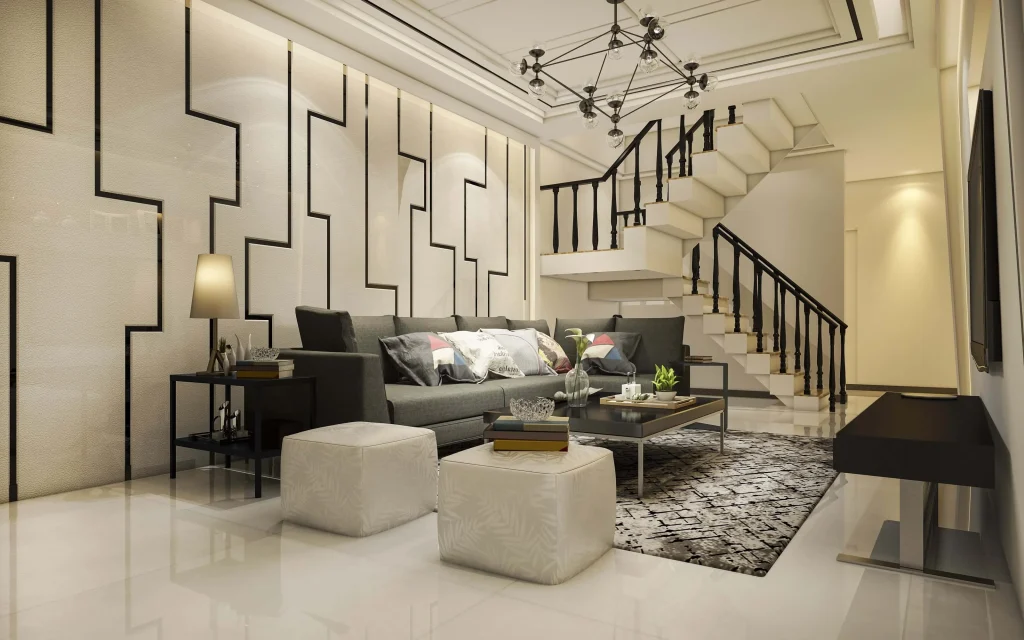
9. How Realtors Can Showcase High Ceilings in Listing Photos and Videos
Because ceiling height is a vertical feature, it can be difficult to communicate through poorly planned visual content. A photograph focused mainly on furniture and floor space may fail to show how tall the room actually is.
Realtors can help buyers appreciate this feature by ensuring that photography and video capture the full proportions of the interior.
Useful approaches include:
- Include the ceiling in the frame. Avoid cropping the upper part of the room when height is one of its main selling points.
- Use vertical architectural lines. Door frames, windows, columns, and exposed beams can help viewers understand the room’s scale.
- Show the relationship between the ceiling and furniture. Familiar objects provide a useful sense of proportion.
- Capture distinctive lighting fixtures. Chandeliers and pendant lights can draw attention to the vertical space.
- Use controlled camera movement. A smooth upward tilt or a carefully framed wide shot can reveal the room’s height without making the footage feel exaggerated.
- Maintain realistic proportions. Excessive wide-angle distortion can make a room appear larger or taller than it really is, potentially creating a misleading impression.
Video is particularly useful when the goal is to show how a room feels rather than simply document its dimensions. A well-planned shot can connect the floor, windows, ceiling, and lighting in a way that helps buyers understand the space as a whole.
Show the Space, Not Just the Room
At Lumatrix Media, we help realtors present a property’s layout, proportions, and standout features through professional real estate video editing. Explore our samples and contact Lumatrix Media to discuss your next project.

- Facebook: Lumatrix Media
- Instagram: lumatrix.media
- Website: lumatrixmedia.com
- Email: lumatrix.media@gmail.com
Our blog
Lastest blog posts
Tool and strategies modern teams need to help their companies grow.
Why High Ceilings Make a Home Feel More Luxurious
Contents hide 1. High Ceilings Make Rooms Feel More Spacious 2. They Give Natural Light [...]
Realtors Should Have a Repeatable Listing Marketing Process
Learn why realtors need a repeatable listing marketing process to save time, maintain quality, reduce [...]
Reducing the Price Does Not Always Solve a Listing Problem
Learn why reducing the price of a home does not always lead to more offers [...]
Why Realtors Need Different Marketing Strategies for Different Price Ranges
Learn why real estate marketing strategies should change across different price ranges, from buyer expectations [...]
Why You Should Shoot More Real Estate Footage When Filming a Property
Learn why filming more real estate footage during a property shoot gives editors more options, [...]
Why Filming for Social Media Is Different From Filming a Property Tour
Learn how filming for social media differs from a traditional property tour, including framing, pacing, [...]
Why Music Choice Can Change How Buyers Perceive a Property
Discover how music choice can influence the way buyers perceive a property, from mood and [...]
Why Small Rooms Need Different Camera Techniques
Learn why small rooms require different camera techniques in real estate photography and video, from [...]