
Lighting is everything in real estate videography. It shapes mood, reveals space, and determines whether a home looks warm and inviting or flat and lifeless.
Even with the best camera and the smoothest transitions, poor lighting can ruin an otherwise great real estate video.
The good news? You don’t need a Hollywood studio to master lighting. You just need to understand how light and shadow work together and how real estate video editing can enhance them to make every property look its best.
Let’s explore how to use lighting and shadows wisely to bring your listings to life.
1. Why Lighting Matters in Real Estate Videos
Lighting tells the story of a home. A bright, sunlit kitchen feels open and cheerful, while soft, warm tones in the bedroom make it cozy and comfortable.
Good lighting helps viewers feel what it’s like to live in the space.
That emotional connection is what sells homes, not just the layout or furniture.
In real estate marketing, first impressions happen fast. Within the first few seconds of your video, lighting sets the tone and builds trust. Viewers are more likely to stay engaged if the visuals look clean, consistent, and true to life.
Reference: Luxury Presence – Everything You Should Know About Real Estate Videography
2. Use Natural Light Whenever Possible
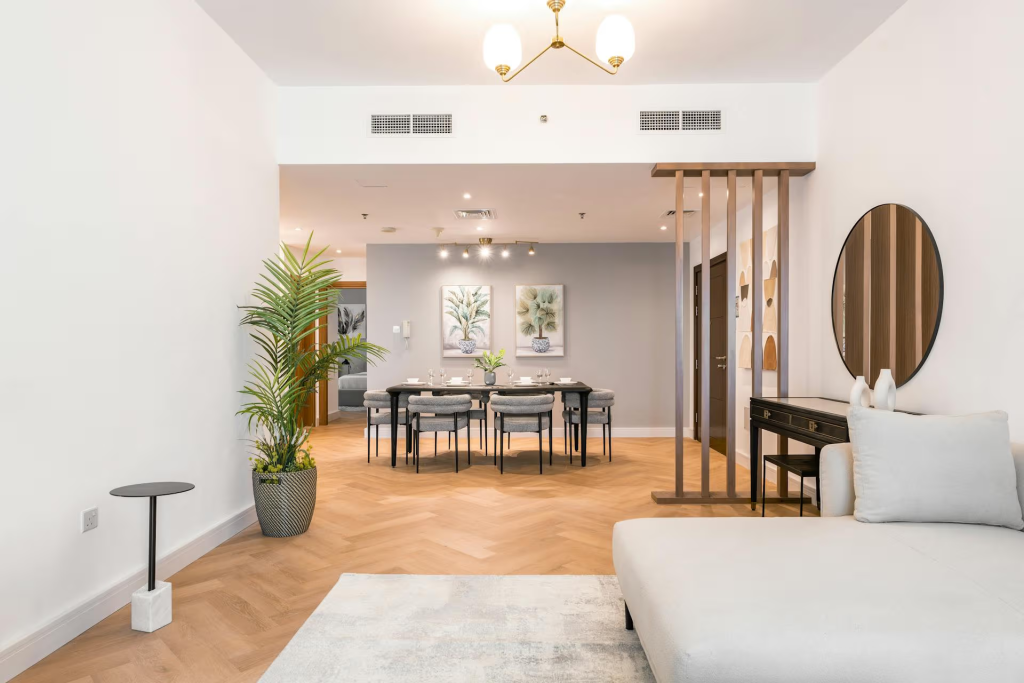
The best light source for real estate videography is often free – the sun.
Natural light gives a soft, authentic look that makes interiors appear spacious and inviting.
To make the most of it:
- Shoot during golden hours: early morning or late afternoon gives you soft, warm tones that flatter interiors and exteriors alike.
- Avoid harsh midday light: it can create overexposed highlights and dark shadows.
- Open curtains and blinds: maximize window light, but diffuse it if needed with sheer drapes.
If you’re filming on a cloudy day, that’s okay too, diffused light from overcast skies often provides the perfect, even illumination for indoor scenes.
Reference: COLBOR Light – How to Set Up Lighting for Real Estate Photography
3. Balance Interior and Exterior Exposure
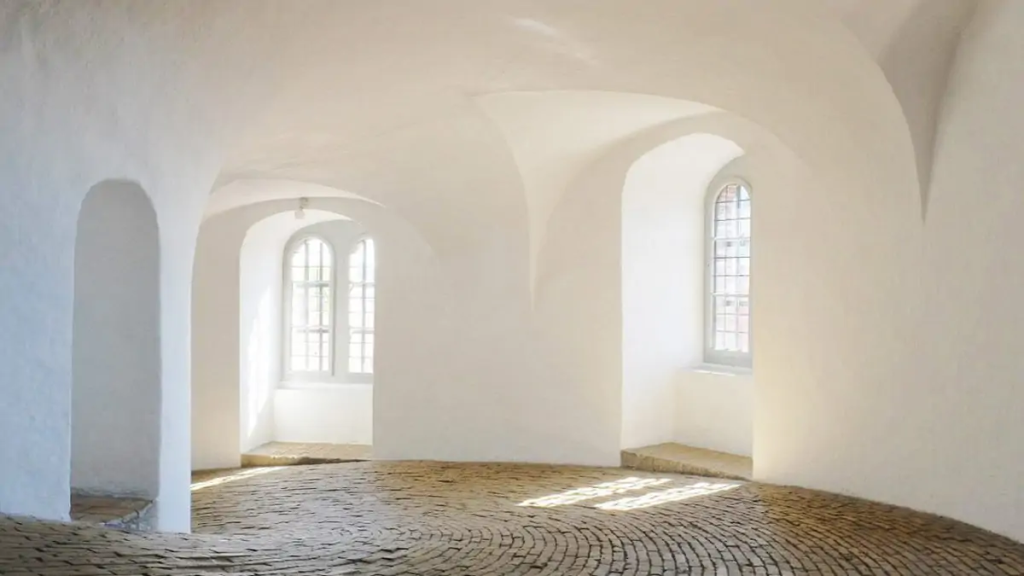
One of the biggest challenges in real estate videography is balancing exposure between bright exteriors and darker interiors.
When you’re filming a living room with large windows, the outside may look blown out (too bright) while the inside remains dim. To fix this:
- Use manual camera settings to lock exposure.
- Consider ND filters to reduce brightness from windows.
- In post-production, use real estate video editing tools to adjust brightness selectively, bringing back details from shadows or highlights without losing realism.
The goal is to make the video look as your eyes would see the scene balanced and natural.
4. Play with Shadows to Add Depth
Many beginners try to eliminate shadows completely, thinking that bright equals better.
But shadows are what give a property dimension. They define shape, texture, and atmosphere.
Think of a luxury home video: the soft shadow along a staircase, or the gentle contrast in a hallway. These subtle differences make the video feel three-dimensional.
During filming:
- Use one main light source to create direction and texture.
- Avoid lighting every corner equally that can make the room feel flat.
- In editing, slightly increase contrast and clarity to emphasize depth without making the image harsh.
Reference: No Film School – 13 Film Lighting Techniques Every Filmmaker Should Know
5. Understand the Color Temperature of Light
Light isn’t just bright or dark, it has color.
Warm light (around 3000K) feels cozy and intimate, while cool light (5000K+) feels modern and crisp.
Mixing light temperatures, for example, daylight through windows and yellow lamp light can make a shot look unnatural.
To avoid that:
- Match bulbs and ambient light sources as closely as possible.
- Correct white balance in-camera or in editing.
- Use color grading tools to maintain consistency across shots.
In real estate video editing, color consistency is crucial for professionalism. A home that glows warmly in one scene and turns blue in the next can break immersion fast.
6. Enhance Lighting in Post-Production
Even with perfect shooting conditions, every video can benefit from careful editing.
Professional editors use color correction, exposure balancing, and highlight recovery to make footage look polished without feeling artificial.
At Lumatrix Media, for instance, our editors fine-tune:
- Exposure levels to maintain natural brightness.
- Shadow detail to add dimension.
- Color tones for warmth and harmony.
- Light flares or reflections to emphasize premium finishes.
Editing is where lighting and emotion come together, it’s how raw footage becomes a cinematic real estate video.
7. Lighting Tips for Real Estate Agents and Videographers
Even if you’re not the editor, understanding lighting basics helps you prepare better shoots and communicate clearly with your editing team.
Here are a few practical tips for agents and videographers:
- Declutter before filming, light looks better on clean, simple surfaces.
- Turn on all the lights, but make sure they’re color-consistent.
- Avoid mixing daylight and artificial light unless intentionally styled.
- If filming at night, use warm indoor lighting to create an inviting atmosphere.
- Capture both bright and dim shots, editors can blend them in post for balance.
Remember, a professional editor can enhance lighting but can’t fix a poorly lit shoot entirely. Great results start with good planning.
8. Why Lighting Sells
In real estate marketing, lighting does more than beautify, it influences emotion and decision-making.
Bright, natural light evokes optimism and energy.
Soft, ambient light suggests comfort and safety.
When viewers can visualize themselves living there, because the lighting feels right, that’s when a video truly sells.
Beautiful lighting doesn’t just showcase a house. It sells the feeling of home.
Why Choose Lumatrix Media
At Lumatrix Media, we understand that lighting is more than just brightness, it’s storytelling.
Our team of seasoned editors specializes in real estate video editing for agents, developers, and videographers around the world.
We enhance every shot with balanced exposure, natural color tones, and cinematic contrast to make your property stand out beautifully.
Explore our sample projects to see how professional lighting and editing can transform an ordinary listing into a luxurious viewing experience.
If you’re ready to make your next real estate video shine with depth, mood, and emotion, contact Lumatrix Media today.

Looking for more tips on filming and editing real estate videos? Check out our other blog posts.
How to Shoot Real Estate Footage That’s Easy to Edit
How to Match Music and Footage in Real Estate Videos
How to Use Transitions Wisely in Real Estate Videos
Our blog
Lastest blog posts
Tool and strategies modern teams need to help their companies grow.
Why High Ceilings Make a Home Feel More Luxurious
Discover why high ceilings make homes feel more luxurious, from improved natural light and visual [...]
Realtors Should Have a Repeatable Listing Marketing Process
Learn why realtors need a repeatable listing marketing process to save time, maintain quality, reduce [...]
Reducing the Price Does Not Always Solve a Listing Problem
Learn why reducing the price of a home does not always lead to more offers [...]
Why Realtors Need Different Marketing Strategies for Different Price Ranges
Learn why real estate marketing strategies should change across different price ranges, from buyer expectations [...]
Why You Should Shoot More Real Estate Footage When Filming a Property
Learn why filming more real estate footage during a property shoot gives editors more options, [...]
Why Filming for Social Media Is Different From Filming a Property Tour
Learn how filming for social media differs from a traditional property tour, including framing, pacing, [...]
Why Music Choice Can Change How Buyers Perceive a Property
Discover how music choice can influence the way buyers perceive a property, from mood and [...]
Why Small Rooms Need Different Camera Techniques
Learn why small rooms require different camera techniques in real estate photography and video, from [...]