
Learn five cinematic techniques that elevate real estate videos and make any property look more luxurious, attractive, and market-ready.
Luxury is not always about the price tag. In real estate videography, luxury is a feeling – something created through visuals, pacing, composition, and emotional tone. Many homes may not be high-end properties, but with the right cinematic techniques, any listing can appear polished, elegant, and aspirational.
Buyers today expect high-quality real estate video content. They want to feel transported, inspired, and emotionally connected. Agents who invest in cinematic production see higher engagement, more inquiries, and stronger overall marketing performance.
Below are five cinematic techniques widely used by professional real estate video editors and videographers to make any property look luxurious, regardless of its actual market value.
1. Smooth, Controlled Camera Movement
One of the biggest differences between an amateur and a cinematic real estate video is the way the camera moves. Luxury videos avoid shaky footage, fast movements, or handheld jitter. Instead, they rely on stable, intentional motion that guides the viewer through the home.
Some of the most effective movements include:
- Slow tracking forward into a room
- Lateral motion that reveals space gradually
- Gentle crane-style rises that open up the view
- Slider shots that highlight symmetry
These movements create an immersive, calming experience. When the camera glides gracefully through a property, the home feels more expensive and more thoughtfully presented. It communicates stability, confidence, and sophistication – qualities that buyers subconsciously associate with higher-end listings.
Good movement also helps viewers understand the layout without distraction, especially when combined with wide-angle lenses that capture full rooms.
In real estate video editing, stabilizing clips and refining motion paths enhances this effect. Even footage that started slightly uneven can be transformed into cinematic motion when handled by skilled editors.
2. Luxury Lighting and Shadow Control
Lighting is one of the most powerful tools in real estate videography. It determines how textures appear, how colors read, and how viewers feel about the space. Cinematic luxury videos almost always rely on soft, diffused light, both natural and artificial.
High-end real estate videos focus on:
- Shooting during the optimal time of day
- Maximizing natural light sources
- Balancing shadow depth
- Avoiding harsh contrast
- Enhancing window views without blowing out exposure
The right lighting makes surfaces look premium. Wood grains appear richer. Marble looks glossier. Fabrics look softer. Even a simple, budget-friendly room becomes elegant when lit with intention.
In post-production, real estate video editors can elevate lighting further with:
- Highlight recovery
- Shadow lifting
- Exposure balancing
- Subtle glow or bloom effects
- Color grading that creates a warm or modern mood
Lighting is not just technical, it’s psychological. Better lighting immediately communicates better value, even when the property itself is modest.
3. Clean Compositions and Symmetry
Luxury visuals are rarely chaotic. They are calm, organized, and aesthetically predictable. That’s why composition plays a major role in making a property feel high-end.
Cinematic real estate videos commonly use:
- Centered frames
- Balanced symmetry
- Clean leading lines
- Wide shots that emphasize spaciousness
A symmetrical kitchen shot makes the space feel architectural. A centered living room angle adds a sense of order and sophistication. Balanced lines draw the viewer’s eye smoothly through the video.
Editors strengthen this technique by:
- Correcting lens distortion
- Straightening verticals
- Cropping for proportional balance
- Removing distracting objects through masking or cleanup
Good composition communicates luxury because luxury environments are usually curated, tidy, and visually intentional. When the framing is beautiful, the property feels beautiful.
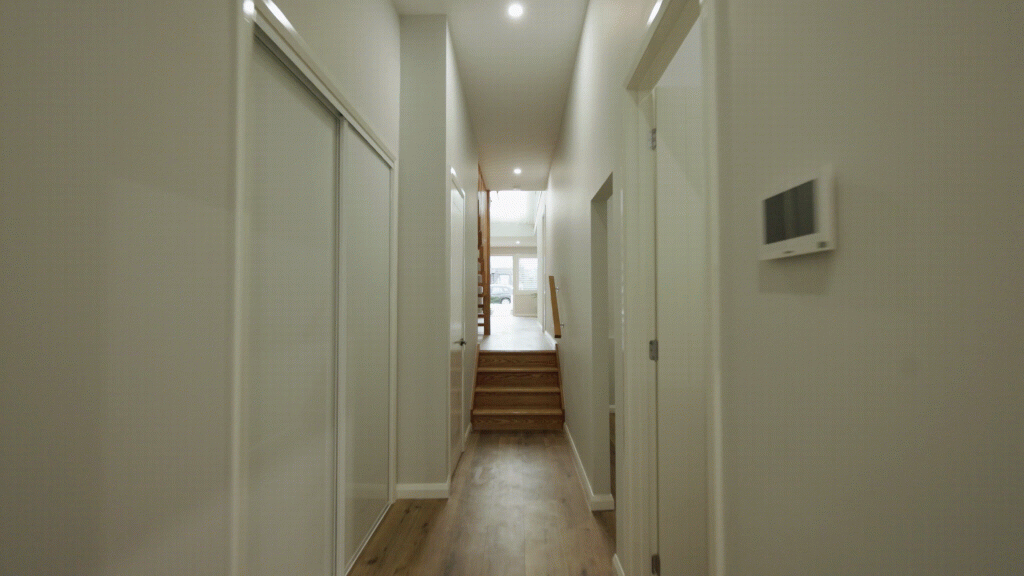
4. Cinematic Color Grading
Color grading is where a large portion of the “luxury feeling” comes to life. Raw footage often looks flat or too digital. Cinematic grading gives the property warmth, depth, and atmosphere.
Real estate color grading for luxury typically aims for:
- Warm highlights and natural skin tones
- Clean whites
- Deep, soft shadows
- Slightly desaturated colors for elegance
- A unified mood across the entire video
Different styles work for different listings.
A modern penthouse might benefit from cool, minimal tones.
A family home might shine with warm, inviting grading.
The key is consistency and subtlety. Overgrading can make a home look artificial or cheap. Professional real estate video editing focuses on enhancing natural beauty, not hiding it under heavy filters.
A strong grade can make flooring look richer, walls look smoother, and appliances look more expensive. It’s one of the most important steps in turning raw real estate video into polished, cinematic content.
5. Purposeful Storytelling and Pacing
Luxury videos do not rush. They guide viewers through each space with time to appreciate the details. Storytelling is what elevates a property tour from a simple walkthrough to a memorable experience.
Powerful real estate videos often:
- Begin with a wide establishing shot
- Use slow transitions to match the mood
- Introduce each room intentionally
- Highlight key features naturally
- End with a satisfying exterior or lifestyle shot
Storytelling helps the viewer feel the flow of the home. Instead of showing room after room, the editor creates a journey. This emotional direction is a hallmark of luxury marketing.
Pacing is just as important. Luxury pacing is slower, smoother, and calming. It gives the viewer time to absorb design elements, imagine themselves in the space, and appreciate what the home offers.
A strong real estate video editor knows how to shape this flow through music selection, clip timing, and thoughtful transitions. Luxury is not fast. It is deliberate.
Why These Cinematic Techniques Matter
The goal is not to trick buyers into thinking a modest home is a mansion. The goal is to present any property in the best possible light – clean, elegant, and aspirational. When viewers feel emotionally connected, they are more likely to click, inquire, schedule a showing, and make an offer.
In today’s competitive real estate market:
- Beautiful visuals outperform average content
- Cinematic videos hold attention longer
- Agents using high-quality videography stand out
- Luxury-style editing increases listing credibility
These techniques make even simple spaces feel thoughtful and well-marketed. They help agents brand themselves as professionals who invest in quality. And for buyers, they create a more pleasant and memorable viewing experience.
Why Choose Lumatrix Media?
Lumatrix Media specializes in real estate video editing, cinematic enhancement, and visual storytelling. Our team of experienced editors works with agents worldwide, transforming raw footage into polished, high-end property videos that attract attention and drive results.
Explore our samples and see the difference professional editing makes.
If you want your listings to look luxurious, sophisticated, and market-ready, partner with Lumatrix Media today.

Our blog
Lastest blog posts
Tool and strategies modern teams need to help their companies grow.
Why High Ceilings Make a Home Feel More Luxurious
Discover why high ceilings make homes feel more luxurious, from improved natural light and visual [...]
Realtors Should Have a Repeatable Listing Marketing Process
Learn why realtors need a repeatable listing marketing process to save time, maintain quality, reduce [...]
Reducing the Price Does Not Always Solve a Listing Problem
Learn why reducing the price of a home does not always lead to more offers [...]
Why Realtors Need Different Marketing Strategies for Different Price Ranges
Learn why real estate marketing strategies should change across different price ranges, from buyer expectations [...]
Why You Should Shoot More Real Estate Footage When Filming a Property
Learn why filming more real estate footage during a property shoot gives editors more options, [...]
Why Filming for Social Media Is Different From Filming a Property Tour
Learn how filming for social media differs from a traditional property tour, including framing, pacing, [...]
Why Music Choice Can Change How Buyers Perceive a Property
Discover how music choice can influence the way buyers perceive a property, from mood and [...]
Why Small Rooms Need Different Camera Techniques
Learn why small rooms require different camera techniques in real estate photography and video, from [...]