
Discover the most common filming mistakes that make real estate video editing harder and how to fix them to improve listing performance.
Introduction: Why Good Editing Starts with Good Filming
Many real estate agents believe that editing is where a great video is made. In reality, editing can only enhance what is already captured.
If the footage is inconsistent, shaky, or poorly planned, even professional editing has limitations. The result is a video that feels unpolished, confusing, or low-quality.
Understanding common filming mistakes helps you:
- Save time during editing
- Improve final video quality
- Create listings that attract more serious buyers
This guide breaks down the most common issues and how to avoid them.
1. Shaky Footage That Breaks Viewer Focus
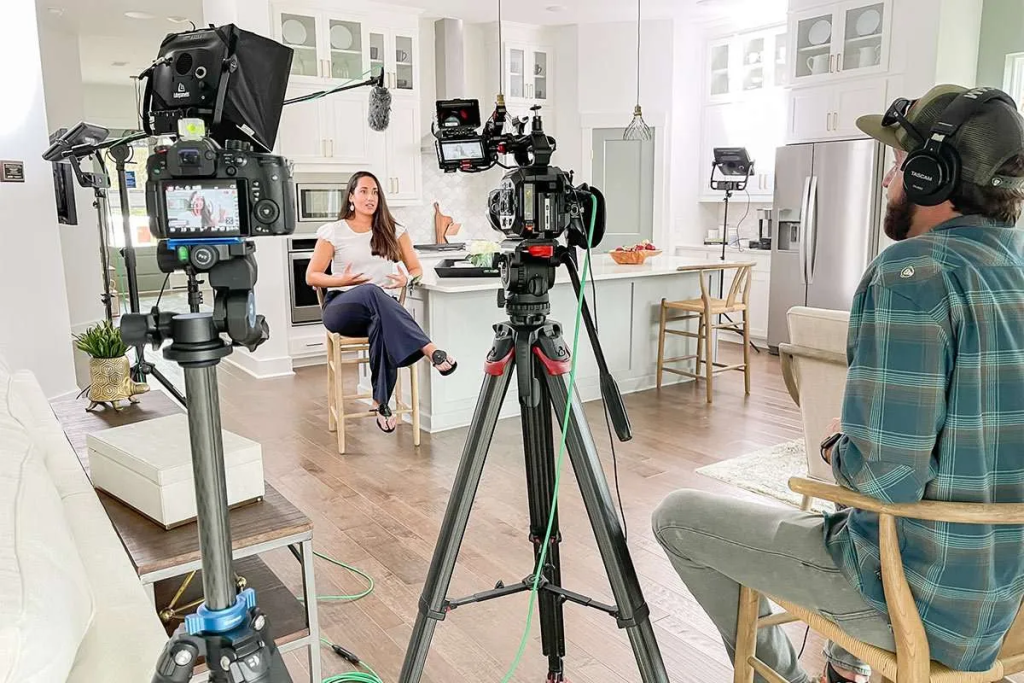
Unstable footage is one of the most common problems in real estate videos. It makes the property feel less professional and distracts viewers.
Even slight camera shake can:
- Reduce perceived property value
- Make viewers lose focus
- Increase editing difficulty
How to fix it:
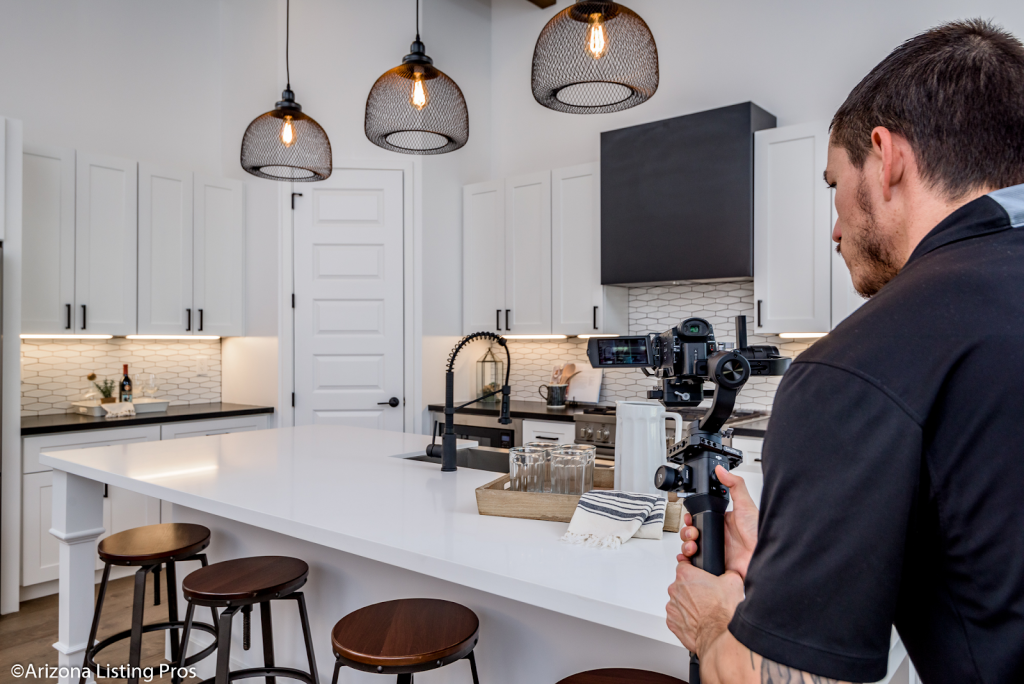
- Use a gimbal or tripod
- Move slowly and consistently
- Avoid sudden directional changes
Stable footage reduces the need for heavy post-production correction.
2. Inconsistent Lighting Across Rooms
Lighting changes between rooms create visual inconsistency. This makes the video feel disjointed.
For example:
- One room appears bright and warm
- Another looks dark or overly cool
This forces editors to spend more time correcting color and exposure. In some cases, full consistency cannot be restored.
How to fix it:
- Shoot during consistent daylight hours
- Turn on interior lights when needed
- Avoid mixing too many light sources
Balanced lighting improves both filming and editing outcomes.
3. No Clear Shooting Plan or Flow
Many agents film properties randomly. This leads to footage that lacks structure.
Without a clear sequence:
- Viewers feel lost
- Editors struggle to create logical flow
- The final video feels confusing
How to fix it:
- Plan a walkthrough before filming
- Follow a natural path (entrance → living area → bedrooms → key features)
- Capture each space with intention
A structured shoot makes editing faster and more effective.
4. Shooting Too Fast (or Too Slow)
Camera movement speed affects how the video feels.
- Moving too fast makes viewers uncomfortable
- Moving too slow makes the video feel boring
Both extremes reduce engagement.
How to fix it:
- Maintain a steady, moderate pace
- Keep movements smooth and controlled
- Think from the viewer’s perspective
Good pacing reduces the need for speed adjustments in editing.
5. Poor Framing and Composition
Bad composition can make a property look smaller or less appealing than it actually is.
Common issues:
- Crooked angles
- Important features cut out of frame
- Too much empty space
These problems limit how editors can use the footage.
How to fix it:
- Keep lines straight and balanced
- Highlight key features (windows, layout, design elements)
- Use wide angles carefully
Better framing leads to stronger visuals with minimal correction.
6. Overexposed Windows and Dark Interiors
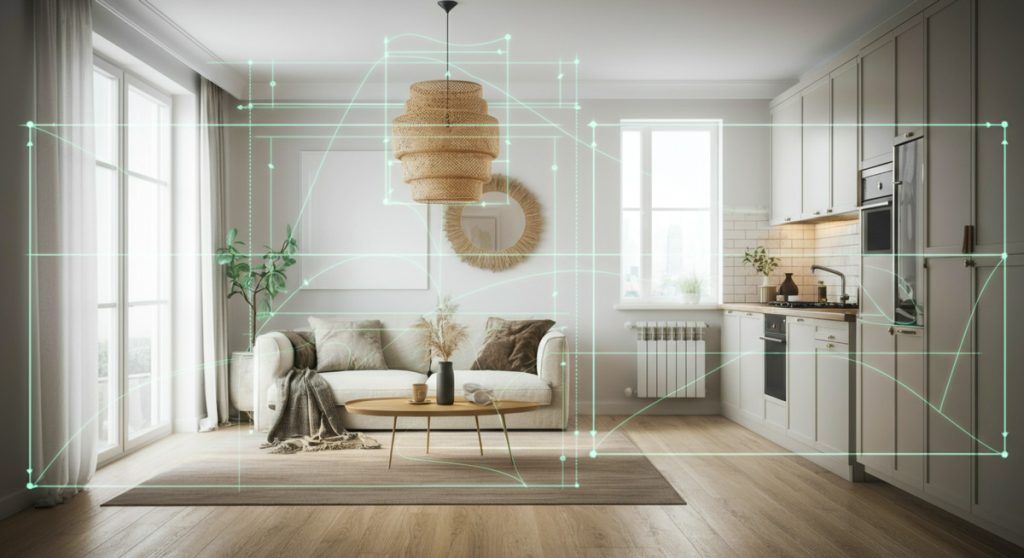
High contrast between indoor and outdoor lighting is difficult to manage.
Common result:
- Windows appear completely white
- Interiors appear too dark
This reduces visual clarity and makes the property feel less inviting.
How to fix it:
- Adjust camera exposure manually
- Use HDR settings if available
- Avoid shooting directly into strong sunlight
Balanced exposure gives editors more flexibility.
7. Recording Without Considering the Final Edit
Many filming mistakes happen because the shooter does not think about how the footage will be used.
Examples:
- Clips that are too short
- No establishing shots
- Missing transitions between rooms
This creates gaps during editing.
How to fix it:
- Record slightly longer clips than needed
- Capture multiple angles of key spaces
- Include transition shots (hallways, doors, movement)
Thinking ahead reduces editing limitations.
8. Ignoring Small Details in the Scene
Small details can ruin an otherwise good shot.
Examples:
- Clutter in the background
- Misaligned furniture
- Reflections of the camera
These distractions reduce perceived quality and are difficult to fix in post-production.
How to fix it:
- Prepare the space before filming
- Check each frame carefully
- Remove unnecessary objects
Clean visuals reduce editing workload and improve final results.
Professional Insight: Filming and Editing Must Work Together
High-performing real estate agents treat filming and editing as one system.
They:
- Shoot with editing in mind
- Maintain consistency across listings
- Invest in presentation quality
This approach creates videos that:
- Hold attention longer
- Build trust faster
- Generate more inquiries
Work with Lumatrix Media for Professional Real Estate Video Editing
At Lumatrix Media, we understand that even well-shot footage can fall short without the right editing approach.
Our process focuses on enhancing clarity, improving visual flow, and creating a consistent viewing experience that helps buyers stay engaged from start to finish.
If you want your listings to look more refined and perform better online, you can explore our portfolio and contact Lumatrix Media to discuss your next project.

- Facebook: Lumatrix Media
- Instagram: lumatrix.media
- Website: lumatrixmedia.com
- Email: lumatrix.media@gmail.com
Discover more tips on real estate videography and editing:
8 Must-Know Camera Angles That Make Your Real Estate Videos Cinematic
Top Real Estate Video Editing Effects to Make Your Property Reels Stand Out
Best Filming Tips for Real Estate Videos
Our blog
Lastest blog posts
Tool and strategies modern teams need to help their companies grow.
Realtors Should Have a Repeatable Listing Marketing Process
Learn why realtors need a repeatable listing marketing process to save time, maintain quality, reduce [...]
Reducing the Price Does Not Always Solve a Listing Problem
Learn why reducing the price of a home does not always lead to more offers [...]
Why Realtors Need Different Marketing Strategies for Different Price Ranges
Learn why real estate marketing strategies should change across different price ranges, from buyer expectations [...]
Why You Should Shoot More Real Estate Footage When Filming a Property
Learn why filming more real estate footage during a property shoot gives editors more options, [...]
Why Filming for Social Media Is Different From Filming a Property Tour
Learn how filming for social media differs from a traditional property tour, including framing, pacing, [...]
Why Music Choice Can Change How Buyers Perceive a Property
Discover how music choice can influence the way buyers perceive a property, from mood and [...]
Why Small Rooms Need Different Camera Techniques
Learn why small rooms require different camera techniques in real estate photography and video, from [...]
Why Some Real Estate Footage Looks Good but Edits Badly
Learn why some real estate footage looks great on its own but becomes difficult to [...]