
Color grading isn’t just a post-production step, it’s what turns raw property footage into a polished, emotionally engaging real estate video. While many overlook this process, color grading is one of the most powerful tools in helping your listing stand out, communicate atmosphere, and look truly professional.
Whether you’re a real estate agent shooting your own videos or a creator delivering content to editors, understanding how color grading works and how to prepare your footage for it is key.
Why Color Grading Matters in Real Estate
Real estate videos aren’t just about showing a house. They’re about creating a feeling, helping the viewer imagine themselves living there. Warm tones can make a home feel cozy, while cooler tones suggest modern elegance. A well-graded video can subtly guide that emotional response.
More importantly, consistent color across shots builds trust. Sudden changes in tone or lighting can make the video feel unprofessional, even if the property itself is beautiful.
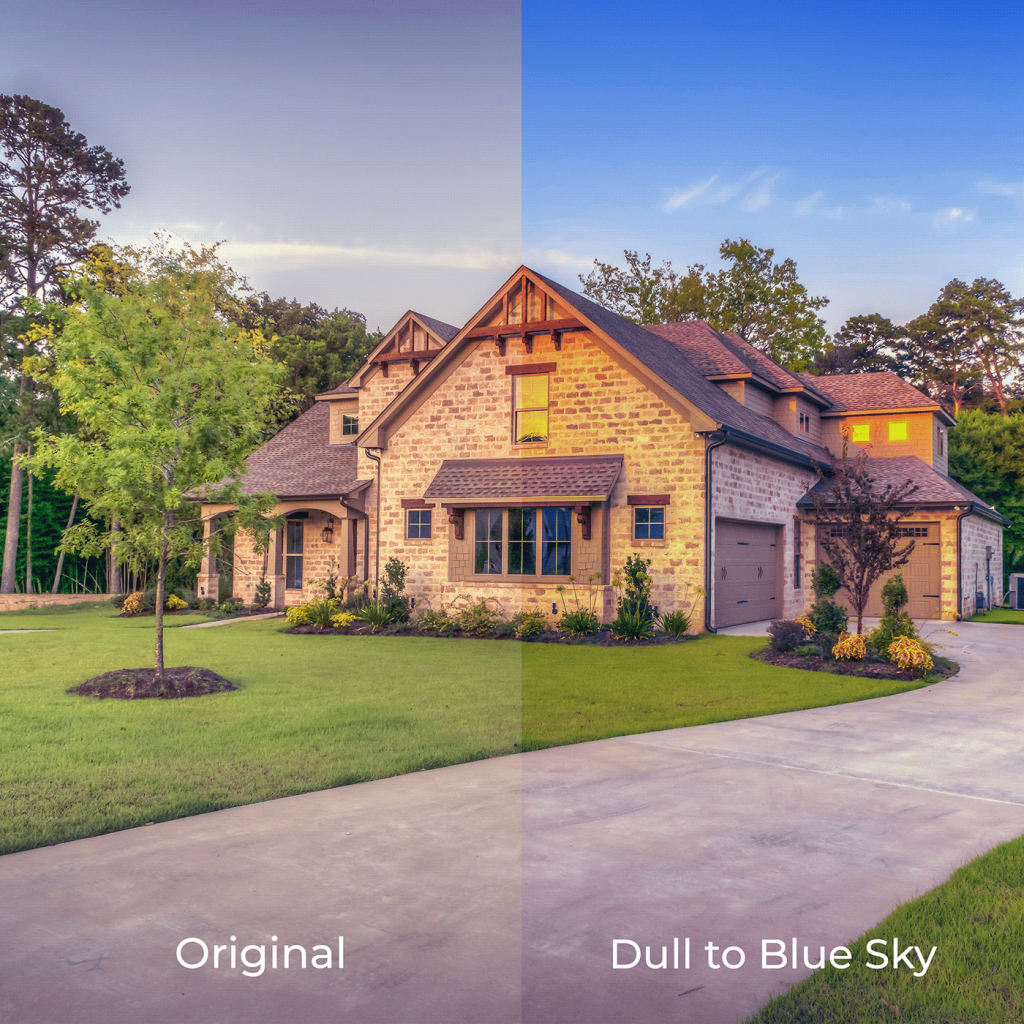
The Difference Between Color Correction and Color Grading
- Color correction is the technical first step. It ensures your footage is balanced—no extreme overexposure, weird white balance, or mismatched shots.
- Color grading comes after. This is the artistic process where we give your video a mood or look: warm and inviting, sleek and high-end, or bright and airy.
Both are important. But if your footage is shot poorly, even the best colorist can’t save it.
How to Prepare Footage for Effective Color Grading
If you’re the one filming, here’s how to make your footage more “gradeable” for post-production:
1. Shoot in a Flat Color Profile (If Possible)
If your camera allows it, shoot in a flat or log profile (like S-Log, D-Log, etc.). This preserves more detail in highlights and shadows, giving editors more flexibility in grading.
If you’re filming on a smartphone, apps like Filmic Pro allow for flat profiles too.
2. Lock Your White Balance
Avoid using auto white balance. When it shifts mid-shot, it’s a nightmare to correct. Set a manual white balance before you film, especially in interiors with mixed lighting.
3. Keep Exposure Consistent
Expose for the interior or exterior based on what you’re showing. Avoid extreme contrast between windows and indoor spaces unless you’re filming with HDR or bracketing.
Consistency in exposure helps editors maintain natural-looking color across rooms and angles.
4. Use the Same Settings Throughout Your Shoot
Switching picture profiles, frame rates, or even different lenses with color shifts can make your footage feel disjointed. Stick to the same settings from start to finish when possible.
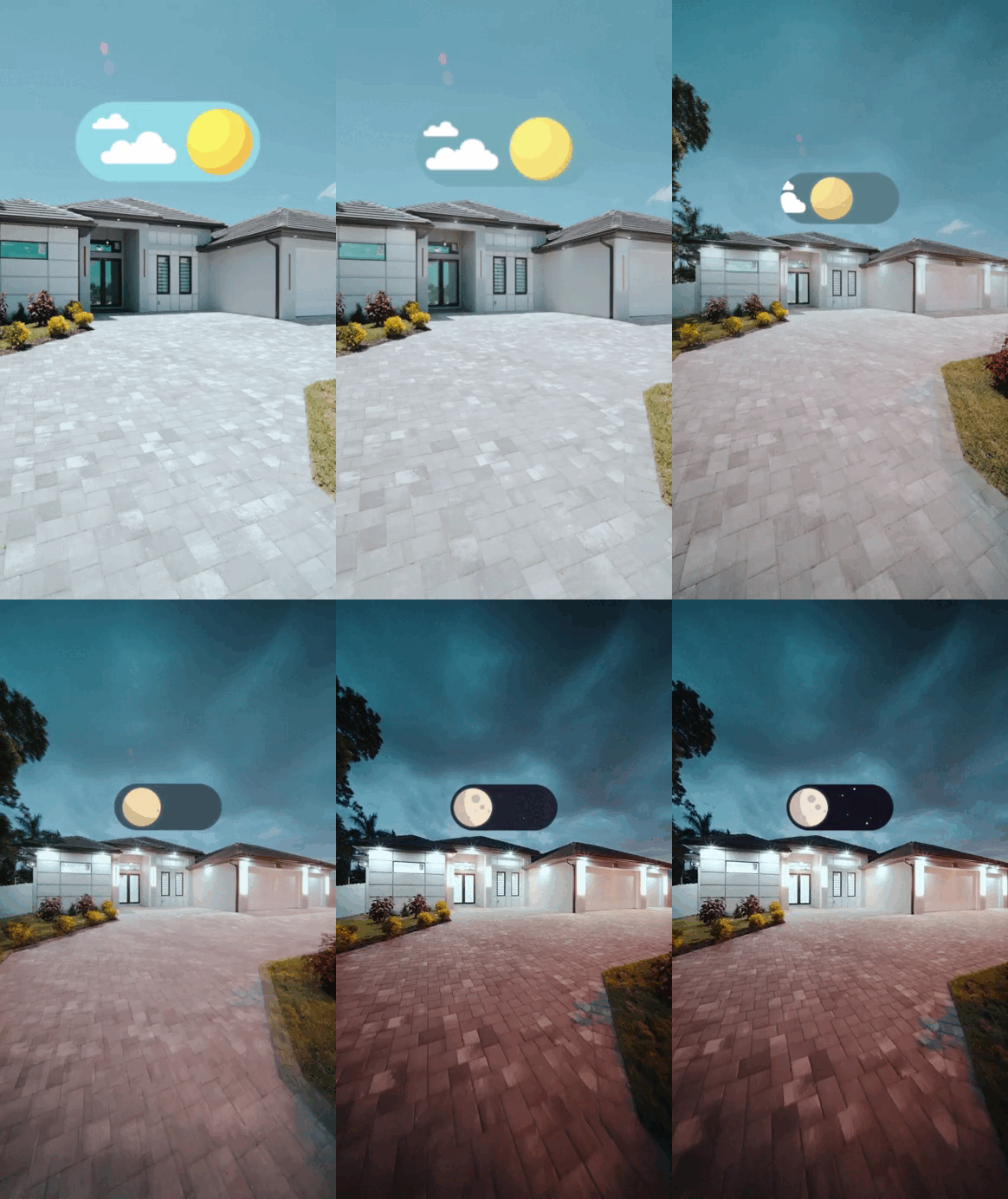
This is especially crucial if you want day-to-night transitions or cross-scene grading.
5. Mind Your Lighting
Natural light is great, but it changes fast. If you’re shooting at multiple times of day, aim for similar lighting conditions or let your editor know clearly what time of day each scene represents.
Avoid harsh shadows and blown-out windows, they’re hard to fix in post.
Color Palettes for Real Estate: What Works?
Each type of property may suit a different tone. Some examples:
- Modern apartments: cool tones, clean whites, neutral greys
- Luxury homes: slightly warm, golden tones for elegance
- Family homes: balanced warmth for a friendly, inviting feel
- Airbnb listings: trendy color styles with pop accents
The key is to match the palette to the brand and target buyer, not just what “looks pretty”.
The Limits of Color Grading
Even with advanced software like DaVinci Resolve, Premiere Pro, or Final Cut, bad footage = limited results.
- If clips are overexposed, the details are lost.
- If the color temperatures vary wildly across scenes, matching them can feel artificial.
- If clips are shot with heavy compression or in low resolution, the image may break apart under grading.
That’s why shooting with post-production in mind is so important.
Why Work With a Professional Real Estate Editor?
Even with great footage, color grading is an art that takes years to master. At Lumatrix Media, we specialize in real estate video editing and color is one of our key tools. We ensure that:
- Your footage is corrected and graded for consistency and appeal
- Every shot matches your brand, tone, and the vibe of the property
- Transitions, lighting changes, and sky replacements are color-matched
- We give feedback on how to improve your filming process for future videos
So let’s contact Lumatrix Media to make your listings stand out.
Discover more tips on real estate videography and editing:
AI in Real Estate Editing: Trend or Tool for Better Property Marketing?
Video Walkthrough vs Trendy Reel: Which Real Estate Video Format Is Right for You?
Best Filming Tips for Real Estate Videos
Our blog
Lastest blog posts
Tool and strategies modern teams need to help their companies grow.
Why High Ceilings Make a Home Feel More Luxurious
Discover why high ceilings make homes feel more luxurious, from improved natural light and visual [...]
Realtors Should Have a Repeatable Listing Marketing Process
Learn why realtors need a repeatable listing marketing process to save time, maintain quality, reduce [...]
Reducing the Price Does Not Always Solve a Listing Problem
Learn why reducing the price of a home does not always lead to more offers [...]
Why Realtors Need Different Marketing Strategies for Different Price Ranges
Learn why real estate marketing strategies should change across different price ranges, from buyer expectations [...]
Why You Should Shoot More Real Estate Footage When Filming a Property
Learn why filming more real estate footage during a property shoot gives editors more options, [...]
Why Filming for Social Media Is Different From Filming a Property Tour
Learn how filming for social media differs from a traditional property tour, including framing, pacing, [...]
Why Music Choice Can Change How Buyers Perceive a Property
Discover how music choice can influence the way buyers perceive a property, from mood and [...]
Why Small Rooms Need Different Camera Techniques
Learn why small rooms require different camera techniques in real estate photography and video, from [...]